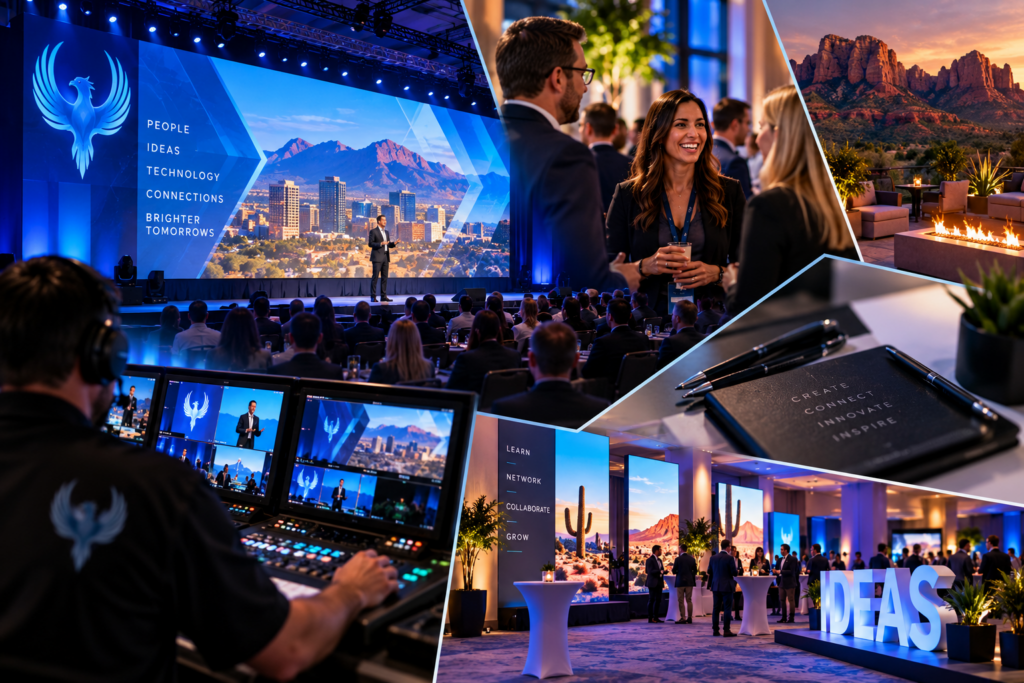
Your corporate event is no longer simply about reserving a ballroom, setting up a projector, handing someone a microphone, and hoping the coffee lasts until the final breakout session.
In 2026, the most effective corporate events are becoming more intentional, interactive, personalized, and experience driven. At the same time, artificial intelligence, event technology, sustainability initiatives, and better measurement tools are changing what happens behind the scenes.
There is also an interesting counter trend: as our working lives become more digital, attendees appear to value genuine face-to-face experiences even more.
Hilton’s 2026 meetings and events research, conducted with Ipsos among 3,150 adults in the United States, United Kingdom, and India who planned to attend an in-person work event within the next 24 months, found that 49% said meeting new people and bonding with their team would be their main reason for attending work events. Meanwhile, 84% agreed that experiencing local culture is a major perk of traveling for work events. [Stories from Hilton]
For corporate event planners, that creates a tremendous opportunity.
Here are some of the biggest corporate event trends every planner should know—and some practical ways to incorporate them into your next conference, sales meeting, company retreat, awards program, expo, or corporate gathering.
1. Attendee Experience at your Event Is Taking Center Stage
The days of building an event entirely around a sequence of presentations may be numbered.
According to the 2026 Global Meetings & Events Forecast from Amex GBT, improving the attendee experience with more memorable events was meeting professionals’ top priority for the second year in a row. Its survey also found that, compared with five years ago, attendees increasingly want interactivity, opportunities to socialize, and visible sustainability measures. [AMEX GBT]
That’s an important distinction. People aren’t necessarily looking for more event. They’re looking for a better event.
Instead of scheduling presentation after presentation, planners can incorporate workshops, networking opportunities, demonstrations, audience Q&A, interactive content, entertainment, receptions, and memorable transitions between portions of the program.
AV production plays an important role here as well.
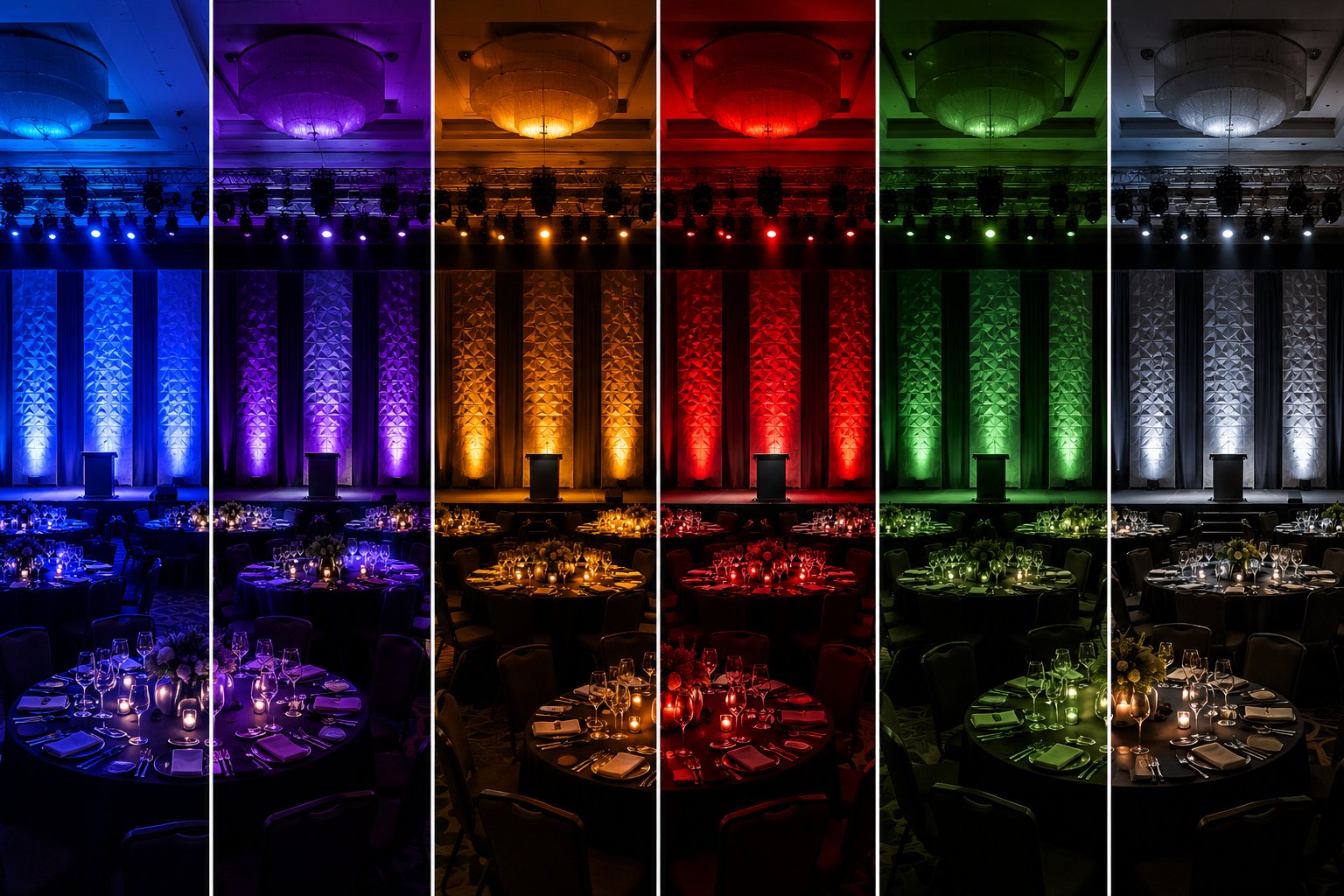
Creative lighting can transform a standard ballroom. An LED wall can become part of the scenery rather than simply another screen. Walk-in music can immediately establish energy. Video can introduce speakers or tell a company’s story before anyone walks onto the stage.
The goal is to create an environment rather than simply fill a room with equipment.
2. AI Is Becoming a Practical Event Planning Tool
Artificial intelligence has officially moved beyond the novelty stage.
The Amex GBT 2026 forecast found that 50% of meeting professionals were embracing AI throughout the meetings journey, while Cvent reports that 84% of planners expect AI to have a moderate-to-major impact on the meetings and events industry in 2026. [AMEX GBT]
What does that actually mean for an event planner?
AI can support areas such as creative development, attendee recommendations, event apps, data analysis, session summaries, post-event evaluation, communications, and personalized experiences. Cvent describes the broader shift as moving from experimenting with AI toward proving where it creates measurable value. [Cvent]
The key is remembering that AI should support the experience rather than replace it.
Hilton’s research illustrates this balance particularly well: 67% of respondents agreed that AI assistance at work events could save them time and effort, while nearly half said meeting people and bonding with colleagues was their primary reason for attending. [Stories from Hilton]
In other words:
Use technology to make it easier for people to connect—not to give them another reason to stare at a screen.
3. Personalization Is Becoming Event Attendee-Led
A 1,000-person conference doesn’t necessarily need to feel like a 1,000-person conference.
One of Cvent’s identified 2026 trends is a move toward attendee-led personalization. Rather than having organizers dictate every element of the experience, attendees increasingly can choose which sessions they attend, whom they connect with, and how they use their time. [Cvent]
Think of it as a “choose your own adventure” approach to corporate events.
A general session might be followed by separate tracks for leadership, sales, operations, marketing, technology, or professional development. Attendees can then reconnect for an evening reception, keynote, awards presentation, or entertainment.
That flexibility does create additional production considerations. Multiple tracks can mean multiple presentation systems, microphones, displays, breakout rooms, technicians, video feeds, and schedules.
That’s why involving your AV production team early can be extremely valuable. The agenda and the technical plan should be developed together rather than independently.
4. Smaller and More Curated Experiences Are Gaining Ground
Not every important corporate event needs thousands of attendees.
Cvent is also tracking increased interest in smaller, curated event formats designed around particular audiences or goals. The idea is that a more focused environment can create stronger peer-to-peer interaction and make an experience feel particularly relevant to the people attending. [Cvent]
That could include:
- Executive leadership retreats
- VIP customer gatherings
- Regional sales meetings
- Client appreciation events
- Product demonstrations
- Leadership workshops
- Small educational programs
- Industry-specific networking events
This trend creates some interesting opportunities in Arizona.
The City of Sedona’s destination organization specifically supports corporate retreats and group events and can connect organizers with accommodations, transportation, attractions, restaurants, catering, and other local resources. Prescott likewise actively markets itself for meetings and groups. [Visit Sedona]
A corporate event doesn’t have to be enormous to be memorable.
Sometimes creating the right environment for 50 people can be more valuable than putting 500 people in another ballroom.
5. The Destination Is Becoming Part of the Event
If you’re asking employees or customers to travel, give them an experience they couldn’t have had at home.
Hilton found that 84% of respondents consider experiencing local culture a major perk of work-related travel, while 83% identified authentic local cuisine as a highlight. [Stories from Hilton]
That’s especially relevant when planning events throughout Arizona and Southern California.
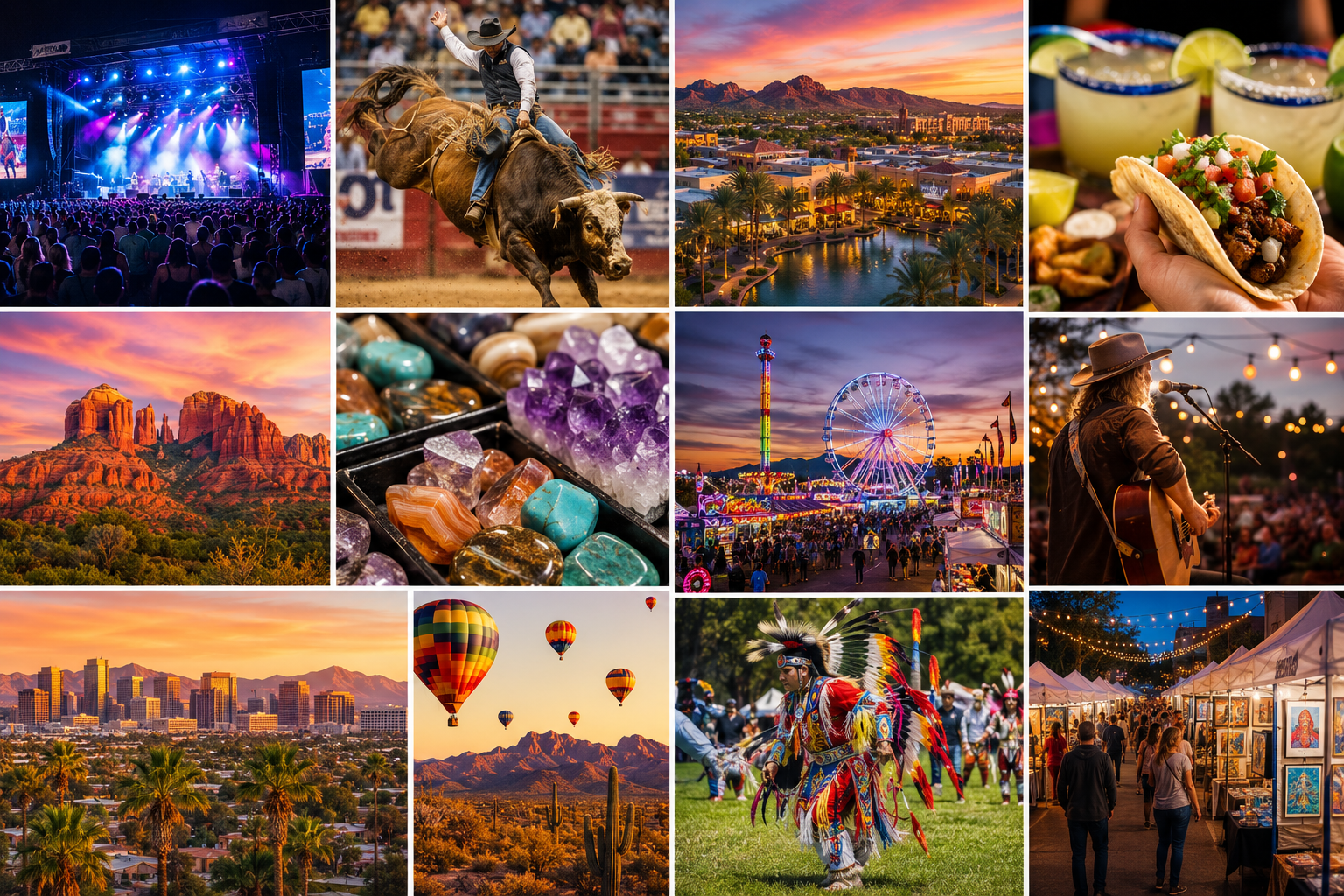
A Phoenix or Scottsdale program can incorporate the Sonoran Desert, outdoor experiences, local cuisine, desert-inspired décor, or off-site receptions. Sedona provides an entirely different red-rock setting for leadership retreats. Prescott offers a mountain environment surrounded by Prescott National Forest. San Diego provides coastal and outdoor meeting opportunities alongside a walk-able downtown convention district. [Visit Phoenix]
This doesn’t mean every event needs an elaborate excursion. Sometimes bringing the destination inside is enough. Scenic design, lighting colors, video content, music, menu selections, and décor can all give a corporate event a sense of place.
6. Wellness Means More Than Adding a Morning Yoga Session
One of the more useful findings for planners comes from Hilton’s 2026 research.
Two-thirds of surveyed attendees said they feel less engaged when events don’t provide enough downtime, and 55% said they’ll skip sessions to decompress if breaks aren’t built into the schedule. In addition, 74% expressed concern about not having enough time between sessions. [Stories from Hilton]
That’s worth considering the next time someone suggests squeezing “just one more presentation” into the agenda.
An effective event schedule may include longer transitions, intentional networking periods, comfortable lounges, outdoor breaks, quieter spaces, shorter presentation blocks, and genuine free time.
This can also improve production.
Reasonable breaks provide technicians opportunities to reset microphones, prepare presentations, adjust the stage, check equipment, rehearse upcoming segments, and address issues without interrupting the attendee experience.
Sometimes less programming creates a better program.
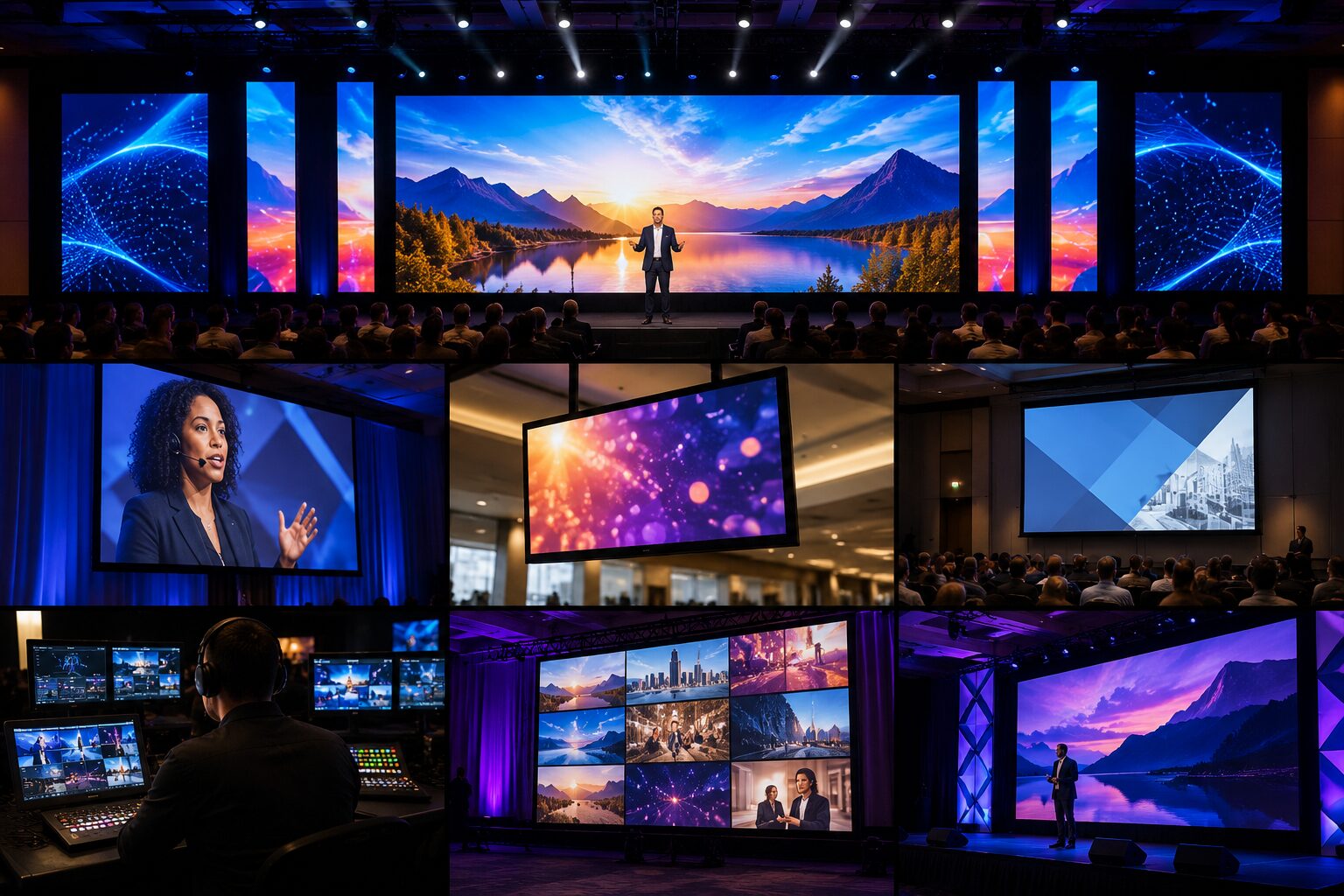
7. LED Walls and Dynamic Visual Environments Are Changing Event Stage Design
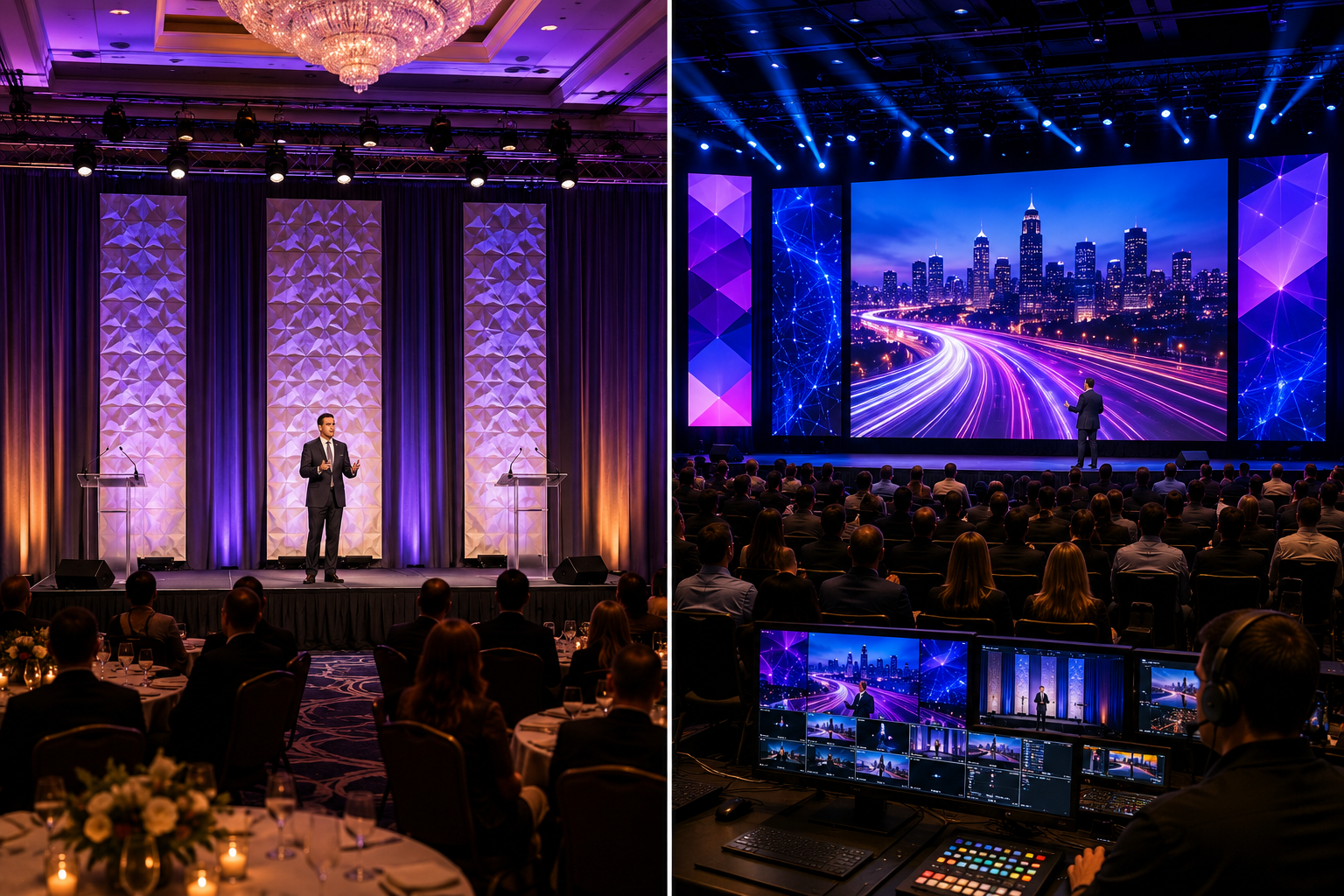
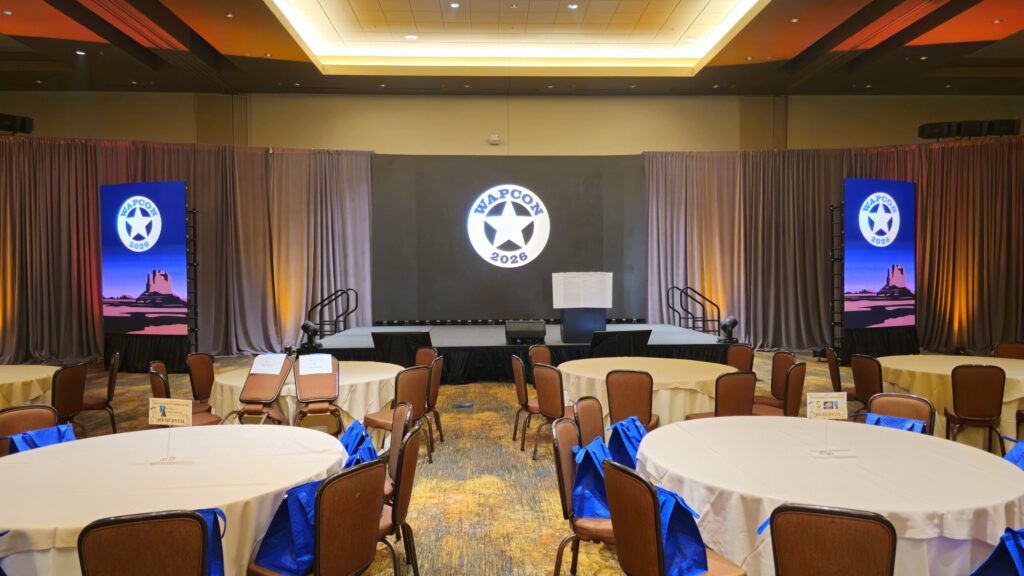
Today’s stage doesn’t have to look the same at 8:00 a.m. and 8:00 p.m. Modern LED displays allow event designers to transform the visual identity of a stage throughout an event.
A single display can support:
- Morning: Branded welcome environment
- Opening: Countdown and introductory video
- Keynote: Presentation graphics and IMAG camera feeds
- Break: Sponsor content and event information
- Awards: Animated recipient graphics
- Reception: Digital scenery or ambient motion graphics
This is where professional AV planning becomes particularly important.
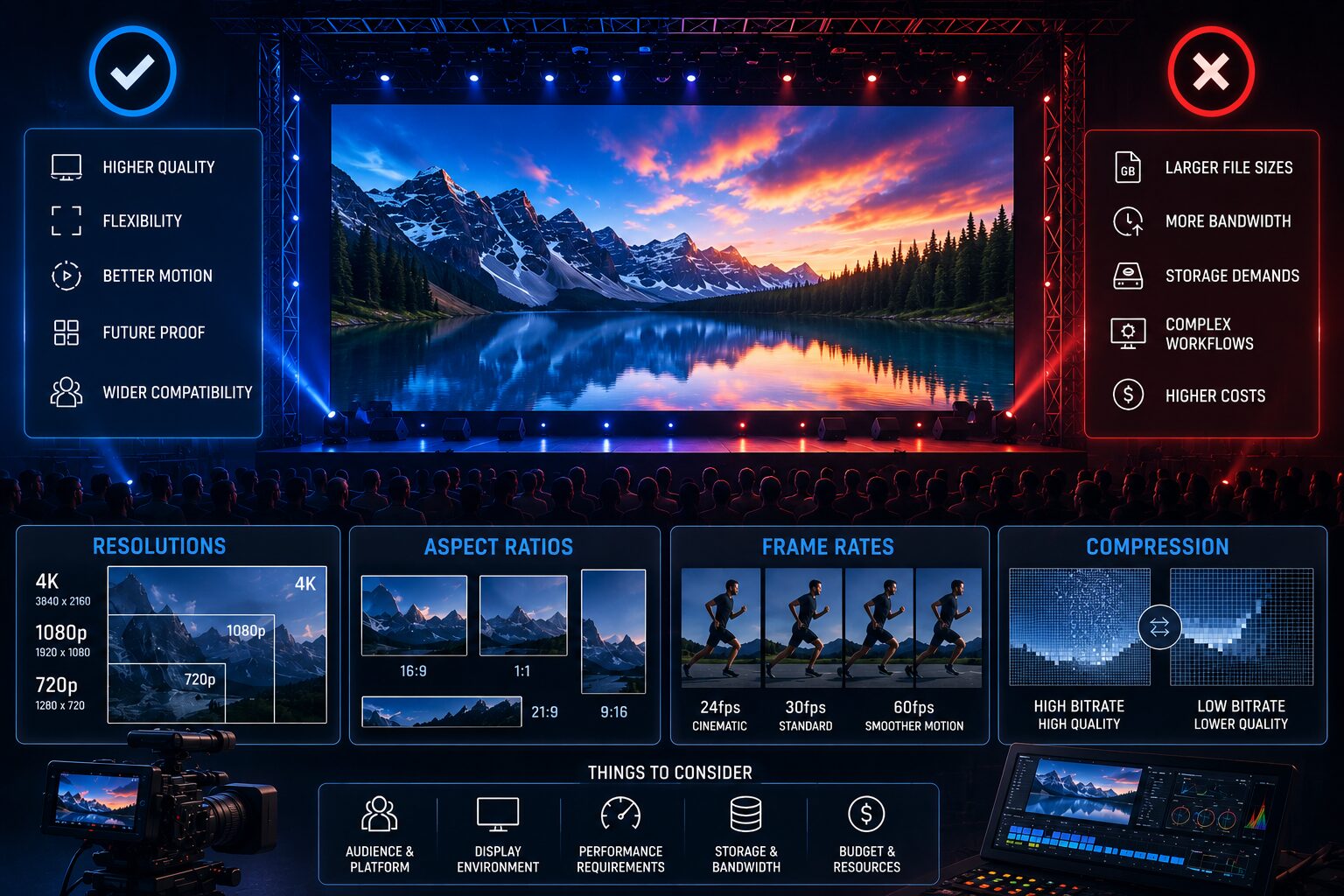
LED walls aren’t simply over-sized televisions. Content needs to be designed for the actual pixel dimensions and configuration of the display. Camera placement, stage dimensions, lighting, viewing distances, presentation formats, and playback systems should all be considered before show day.
At Phoenix Technology Audio Visual, LED walls, video production, lighting, audio, staging, presentation support, and event-day technical operation can be planned as parts of one production rather than isolated pieces.
That helps create a cohesive event from the moment attendees enter the room until the final presentation ends.
8. Your Corporate Event Is Becoming a Content-Creation Opportunity
Your conference may last two days. The content created there could last all year.
Companies are already gathering executives, industry experts, customers, employees, and thought leaders in professionally lit spaces with microphones, stages, displays, and audiences.
That creates a natural opportunity to capture content.
A keynote presentation could later become a full-length video, several short social clips, internal training material, a recruitment piece, a customer email, a website article, or promotional material for next year’s event.
For planners, that means discussing video before the event instead of asking afterward whether somebody happened to record it.
Professional cameras, audio feeds, lighting, presentation graphics, video switching, recording, and live-streaming should be considered as part of the production plan when content capture is important.
Your AV investment can then continue producing value long after the ballroom is empty.
9. Sustainability Is Becoming a Visible Part of Event Planning
Sustainability isn’t simply an industry talking point anymore.
The Amex GBT 2026 forecast describes sustainability and inclusivity as essential components of impactful, value-driven events, while 40% of professionals surveyed for its forecast said attendees want more visible sustainability measures than they did five years ago. [AMEX GBT]
We’re seeing real-world examples locally.
The Phoenix Convention Center released its first comprehensive Sustainability Report in February 2026. According to the City of Phoenix, the venue hosted 174 events during a busy summer period in 2025 while reducing overall utility consumption in several key areas. [City of Phoenix]
San Diego is similarly promoting sustainable meetings, with its tourism authority highlighting the LEED-certified San Diego Convention Center, walk-able downtown, waste-reduction efforts, sustainable sourcing, and other programs. [San Diego]
AV planning can contribute too. Efficient equipment selection, thoughtful logistics, reusable staging and scenic components, LED lighting, consolidated transportation, and using the appropriate amount of equipment rather than unnecessarily overbuilding a show can all be considered during planning.
It’s an idea that happens to fit Phoenix Technology Audio Visual pretty well:
High Tech, Low Footprint Solutions!
10. Data and ROI Are Becoming Harder to Ignore
“What did everyone think?” That’s useful.
“What did the event accomplish?” That’s better!
As corporate event budgets face greater scrutiny, organizations increasingly want to understand attendance, engagement, leads, pipeline influence, session participation, feedback, and other measurable outcomes.
Amex GBT found that 36% of meeting professionals planned to use data and ROI measurement tools, while 28% planned to use AI for post-event evaluation. Cvent similarly identifies first-party event data as an increasingly valuable source for measuring engagement and business impact. [AMEX GBT]
Planners should therefore define success before the event begins.
Is the objective employee education? Customer acquisition? Sales enablement? Networking? Product awareness? Fundraising? Recruitment? Partner engagement?
Once the objective is clear, the event can be designed around it—and the appropriate measurements become much easier to identify.
The Most Important Trend May Actually Be Human Connection
There’s an interesting lesson hiding inside all these trends.
Corporate events are becoming more technological, but the reason people attend them is still remarkably human.
They want to meet people, they want to learn something, they want to experience something different, they want to participate rather than merely watch, and they want their time to feel worthwhile.
That’s why the best event technology often doesn’t call attention to itself.
The microphone simply works. The presentation appears when it should. The video rolls on cue. The lighting directs attention naturally. The LED wall reinforces the story. The camera captures the moment. And the attendees concentrate on the experience instead of the equipment making it possible.
Plan Your Next Corporate Event With Phoenix Technology Audio Visual
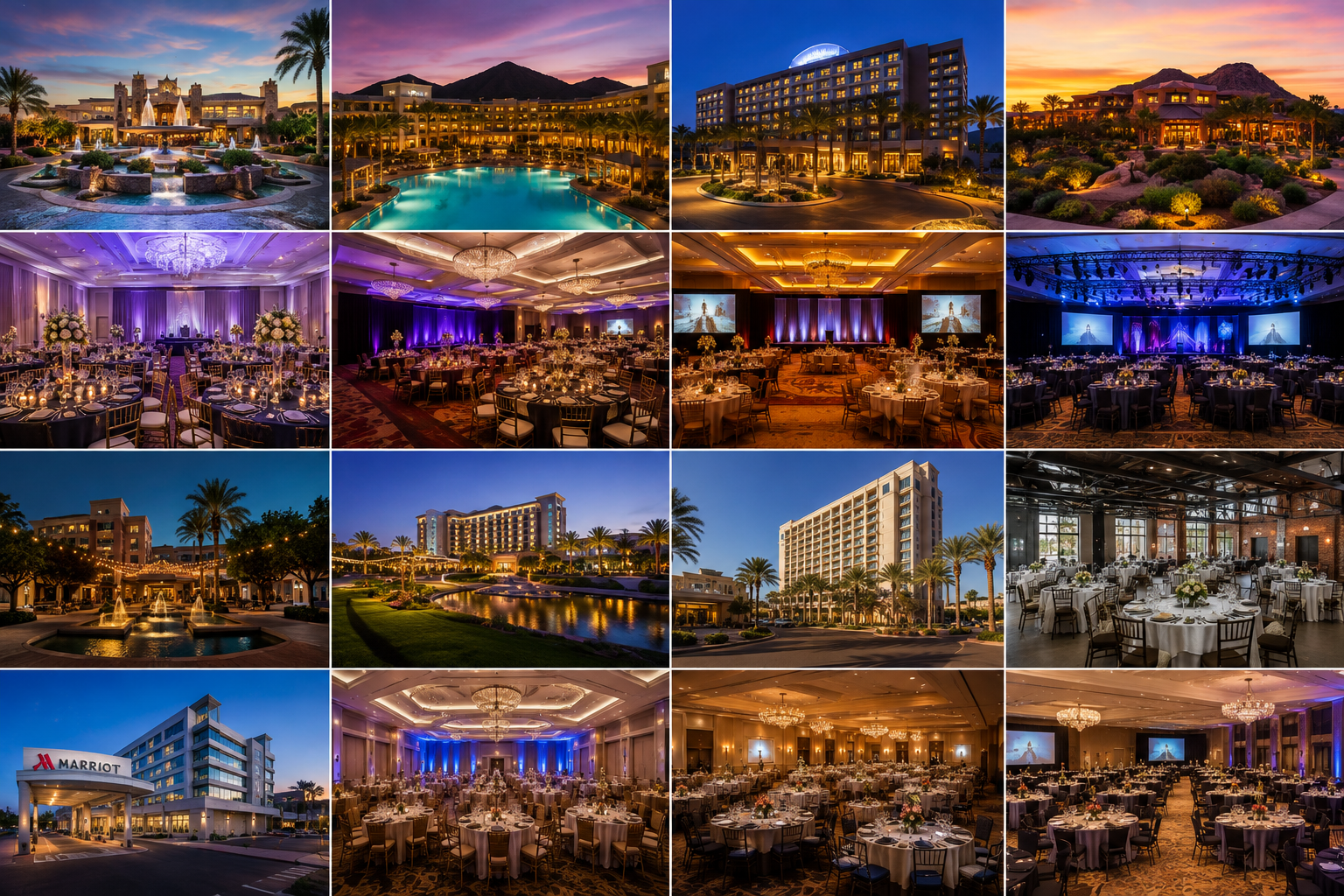
Whether you’re planning a corporate conference in Phoenix, a sales meeting in Scottsdale, an executive retreat in Sedona or Prescott, a company event in Tucson, or a conference in San Diego, one thing hasn’t changed: Great events require great planning.
Phoenix Technology Audio Visual can help bring the technical pieces together through professional audio, video, lighting, LED walls, staging and scenic elements, live-streaming, video production, presentation support, and experienced event technicians.
Instead of treating AV as the equipment order at the end of the planning process, bring your production team into the conversation early. Your stage, content, lighting, audio, cameras, screens, room layout, and run of show all affect one another.
When they’re designed together, technology stops being a collection of equipment and starts becoming part of the experience.
That’s where the corporate event trends of 2026 ultimately seem to be heading: smarter technology, more intentional experiences, and stronger human connections.
And that’s an event trend worth planning for. Click HERE to see some of our past work, and be sure to follow us on FACEBOOK and LINKEDIN for more exceptional content!
Phoenix Technology Audio Visual – High Tech, Low Footprint Solutions!