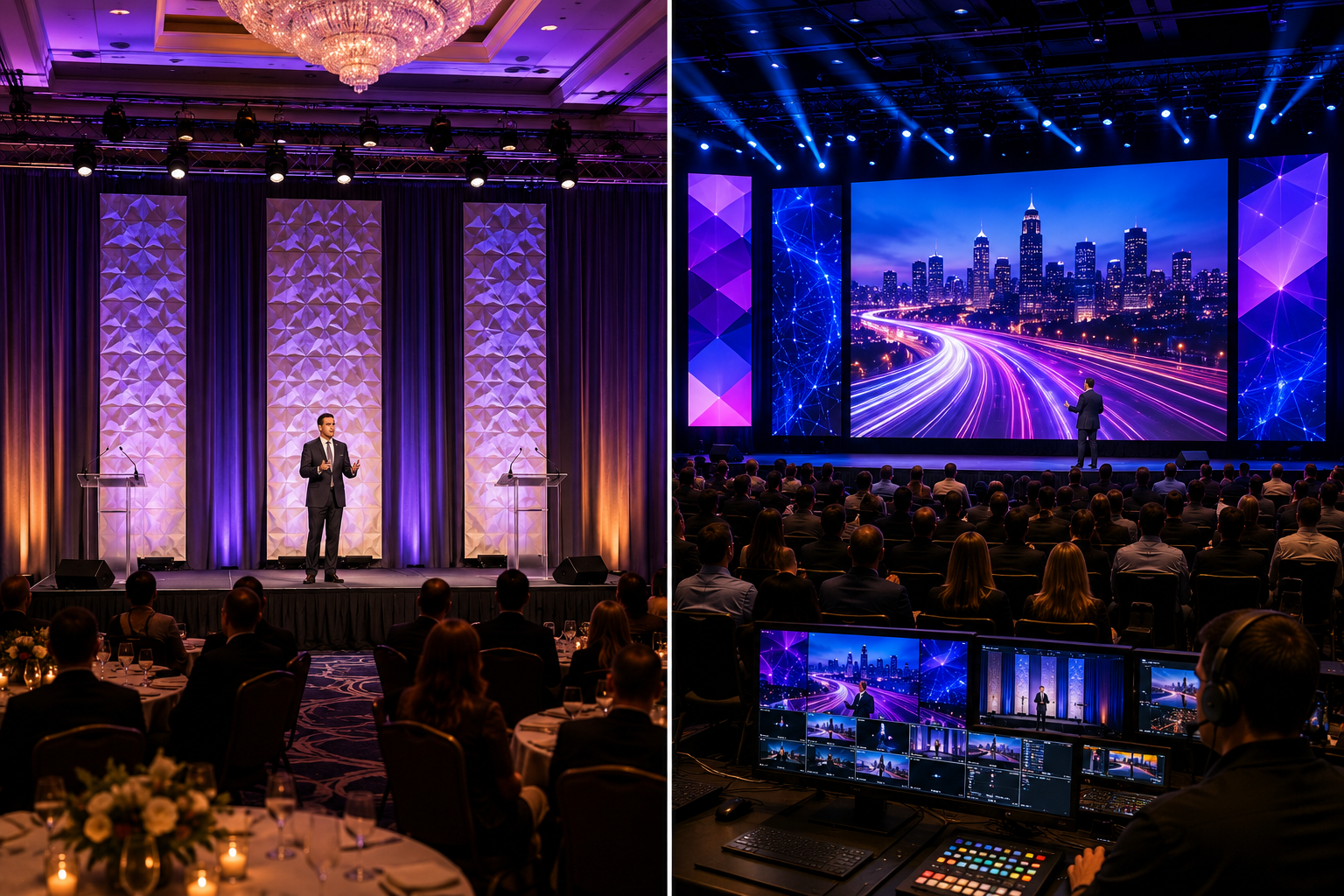
A successful fundraising event does more than fill a ballroom, serve dinner, and put speakers on a stage. At its best, it helps attendees understand why the organization exists, who its work affects, what progress is possible, and what their contribution can accomplish. That is where storytelling becomes one of the most important tools available to nonprofit event planners.
Charitable giving in the United States remains enormous. Giving USA reported that Americans contributed an estimated $617.2 billion to charitable causes in 2025, with individuals accounting for approximately $394.2 billion of that total. [Giving USA]
With so many organizations seeking support, however, simply presenting statistics or announcing a fundraising goal may not be enough to make your particular mission memorable.
A well-told story can help turn an abstract cause into something an audience can understand personally.
Here are several legitimate ways nonprofits and fundraising-event planners can use storytelling more effectively—and ways professional AV production can help those stories reach the room.
Start Storytelling With a Person, Not a Spreadsheet
Statistics are valuable. Donors deserve to know the scope of a problem and understand what an organization is accomplishing. But numbers and stories serve different purposes.
Research published in the Journal of Business Research examined how charitable organizations use stories to influence donor emotions and intentions. The researchers found that storytelling can take potential donors through an emotional progression: presenting a problem creates one emotional response, while giving the audience an opportunity to help can create anticipated positive emotions associated with making a difference. [Science Direct]
More recent research also supports the importance of character-driven narratives. Two experiments published in the Journal of Business Research in 2026 found that character-focused storytelling increased narrative immersion and subsequent charitable giving in the contexts studied. [Science Direct]
For an event planner, the practical lesson is simple: Instead of opening your fundraising appeal with only “We served 10,000 people last year” consider first introducing attendees to one real person or family whose experience helps explain what those 10,000 interactions actually mean.
Then use the larger statistics to demonstrate the scale. The personal story creates context. The data provides credibility. You need both.
Give the Storytelling a Journey
Powerful fundraising stories do not have to be complicated, but they should have movement. An especially useful structure for a live fundraising event is:
The Challenge → The Person → The Response → The Progress → The Opportunity to Help
Recent research into donation-based crowdfunding provides an interesting real-world parallel. A study published in Voluntas analyzed messages from GoFundMe and DonorSee and found that narratives with an overall negative starting context, but a positive emotional trajectory were associated with greater donation amounts. The relationship varied by platform, so this is not a universal formula, but the findings reinforce the importance of movement from difficulty toward possibility. [Cambridge University]
That means your gala video doesn’t necessarily need to spend four minutes making an audience feel terrible…
- Show the need, but also show the possibility.
- Show what has changed.
- Show what donors have already helped accomplish.
- And then show what could happen next.
- Hope gives the audience somewhere to go.
Don’t Rely on Emotion Alone for Storytelling
Effective storytelling should not mean abandoning facts.
In fact, newer research shows why fundraisers should avoid assuming that emotional appeals automatically outperform rational information.
A 2025 study of charitable crowdfunding found that the effectiveness of emotional and rational narrative approaches varied with the context and donors’ expectations; in that study, rational appeals significantly improved contributions while emotional appeals alone were not universally more effective. [Science Direct]
Another large study analyzing approximately 90,000 nonprofit mission statements found that emotional language was associated with donations and volunteering, but the results differed among nonprofit sectors. Positive emotional language was particularly useful in some categories, while negative emotion by itself was generally less effective. [PubMed Central]
For event planners, that’s another argument for combining story + evidence. After telling someone’s story, answer the questions donors may naturally have:
- Where will the money go?
- What does a particular donation amount accomplish?
- How many people does the program serve?
- What results has the organization documented?
- What still needs to happen?
Emotion can open the door. Transparency and evidence help people decide whether to walk through it.
Let the People You Serve Speak for Themselves
Some of the most memorable moments at fundraising events happen when the organization’s mission suddenly becomes a real person standing on the stage.
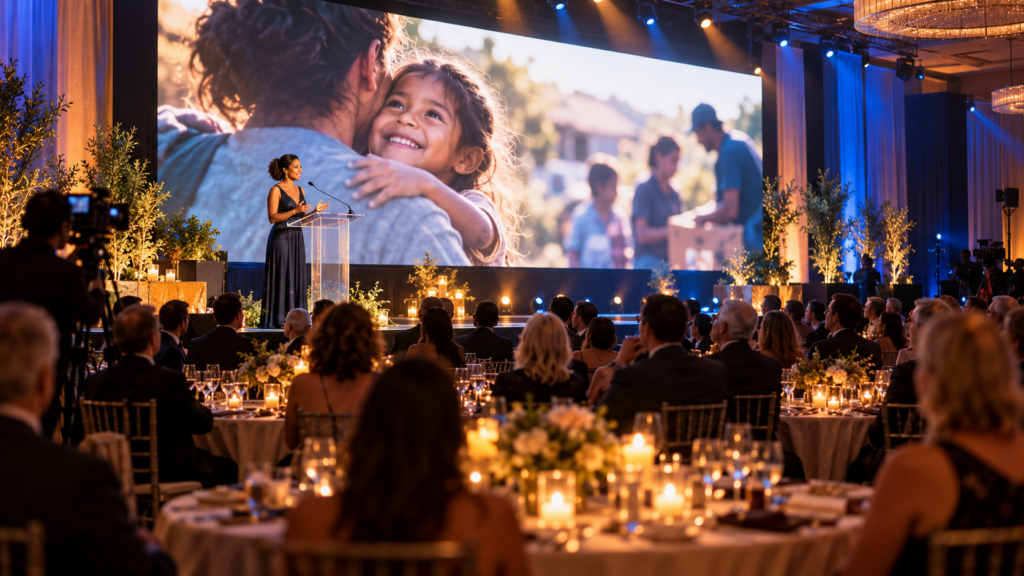
A strong recent example comes from the 2026 St. Jude Hope & Heritage Gala in New York. The event raised a record $1.4 million, and attendees heard directly from a St. Jude patient and her mother about their family’s experience with treatment. [St. Jude]
That is fundamentally different from an executive merely explaining what an organization does.
When appropriate, nonprofit events can incorporate:
- A beneficiary speaking onstage
- A prerecorded interview
- A family member telling their experience
- Volunteer or staff perspectives
- Donor stories
- Before-and-after program updates
- Short documentary-style videos
Not every person will be comfortable speaking before hundreds of guests, which makes prerecorded video especially useful. Interviews can be filmed beforehand in a more comfortable environment and carefully edited into a concise story.
Use Video in your storytelling to Bring the Mission Into the Room
Imagine a fundraiser supporting children, animals, medical research, veterans, housing, education, or community programs. The actual work may happen miles—or thousands of miles—from the ballroom.
Professional video lets you bring that work to the audience.
Instead of a speaker spending five minutes describing a program, attendees can see the environment, meet the people involved, hear their voices, and witness the work themselves.
Organizations already use this approach extensively. For example, charity: water uses video storytelling to explain the journey of a donation and show how contributions become water, sanitation, and hygiene resources in communities. [Charity Water]
At Phoenix Technology Audio Visual, this is where event production and storytelling can work together.
Our team can help nonprofits incorporate:
🎥 Prerecorded impact videos
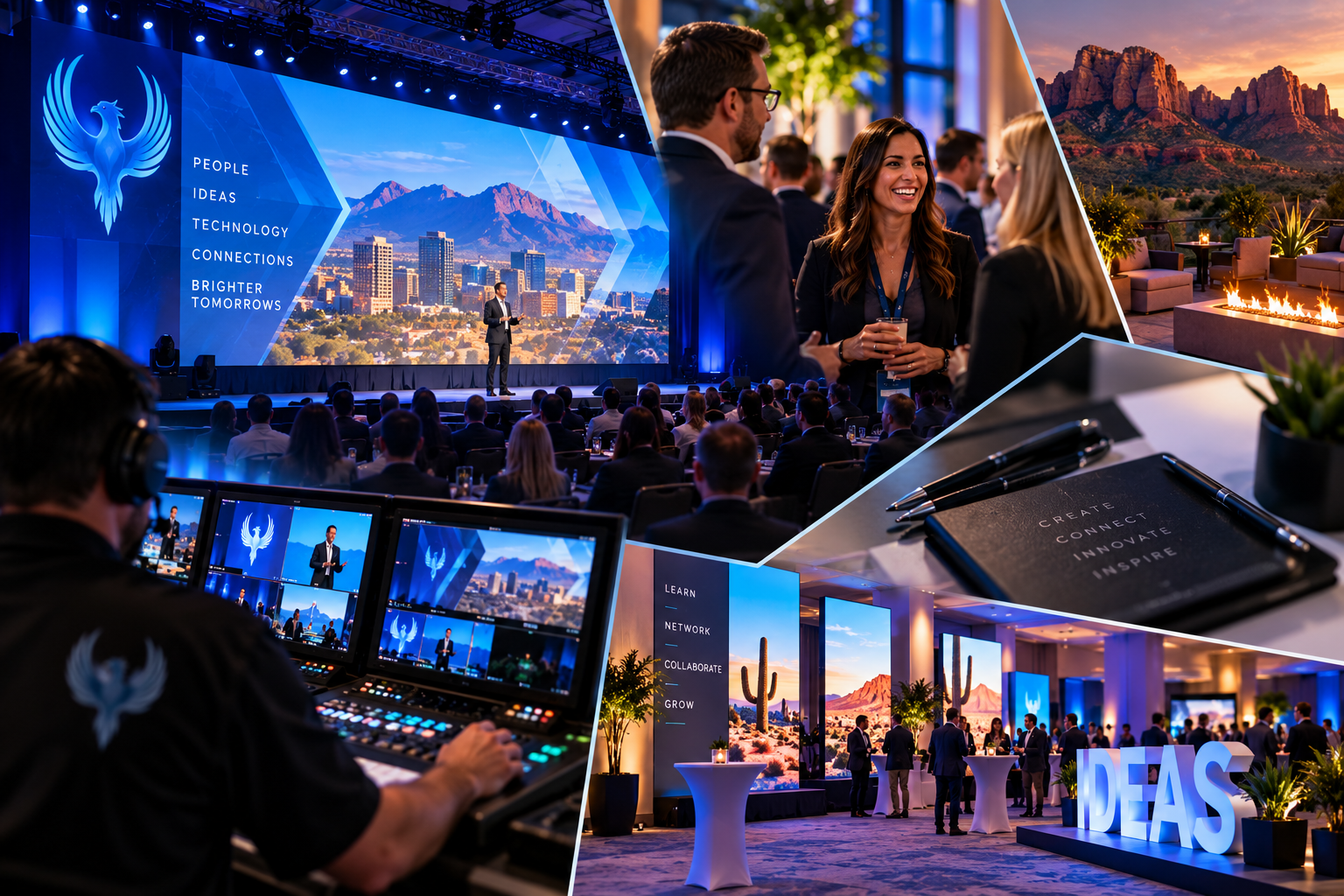
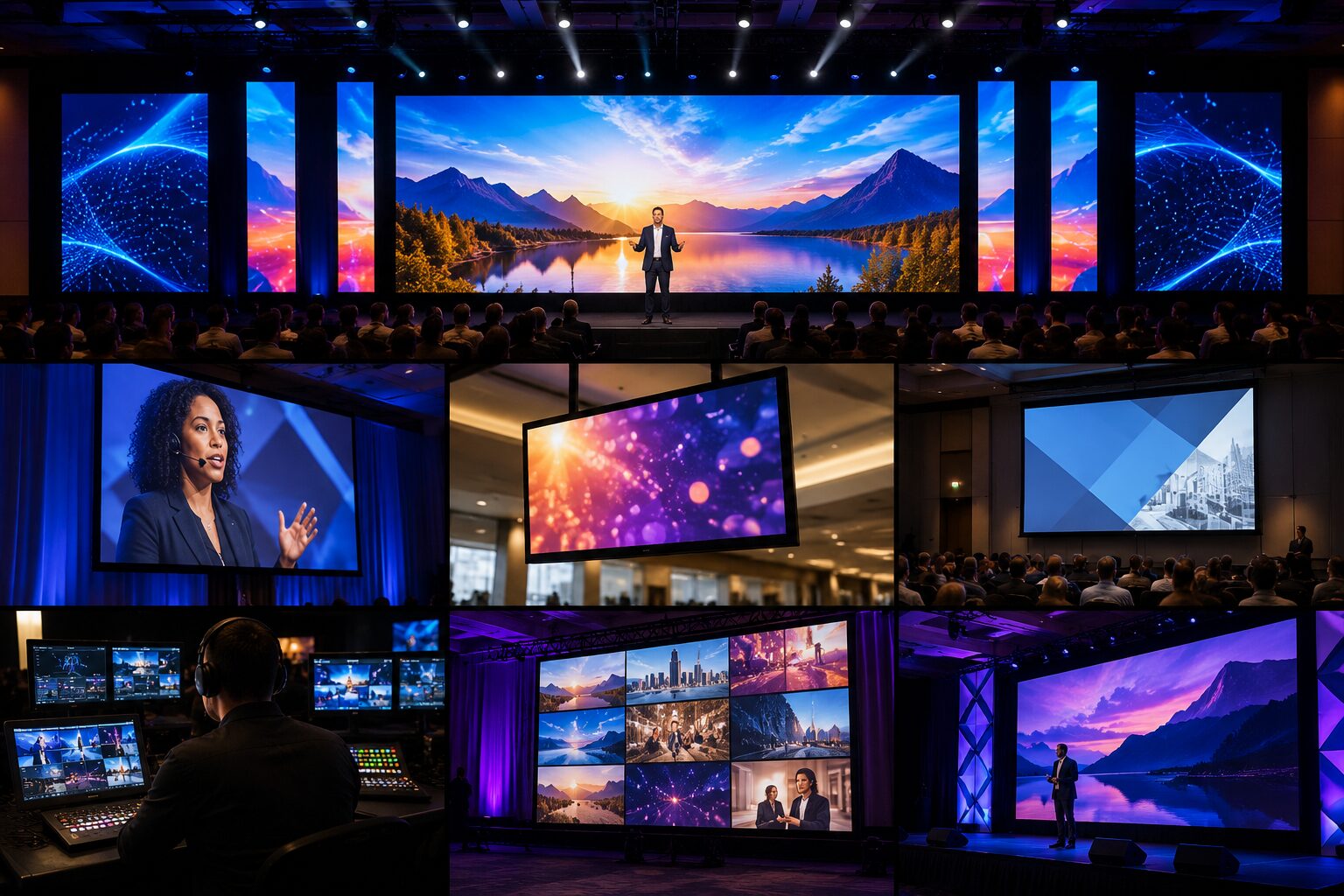
📺 Large LED walls and video displays
🎤 Professional audio
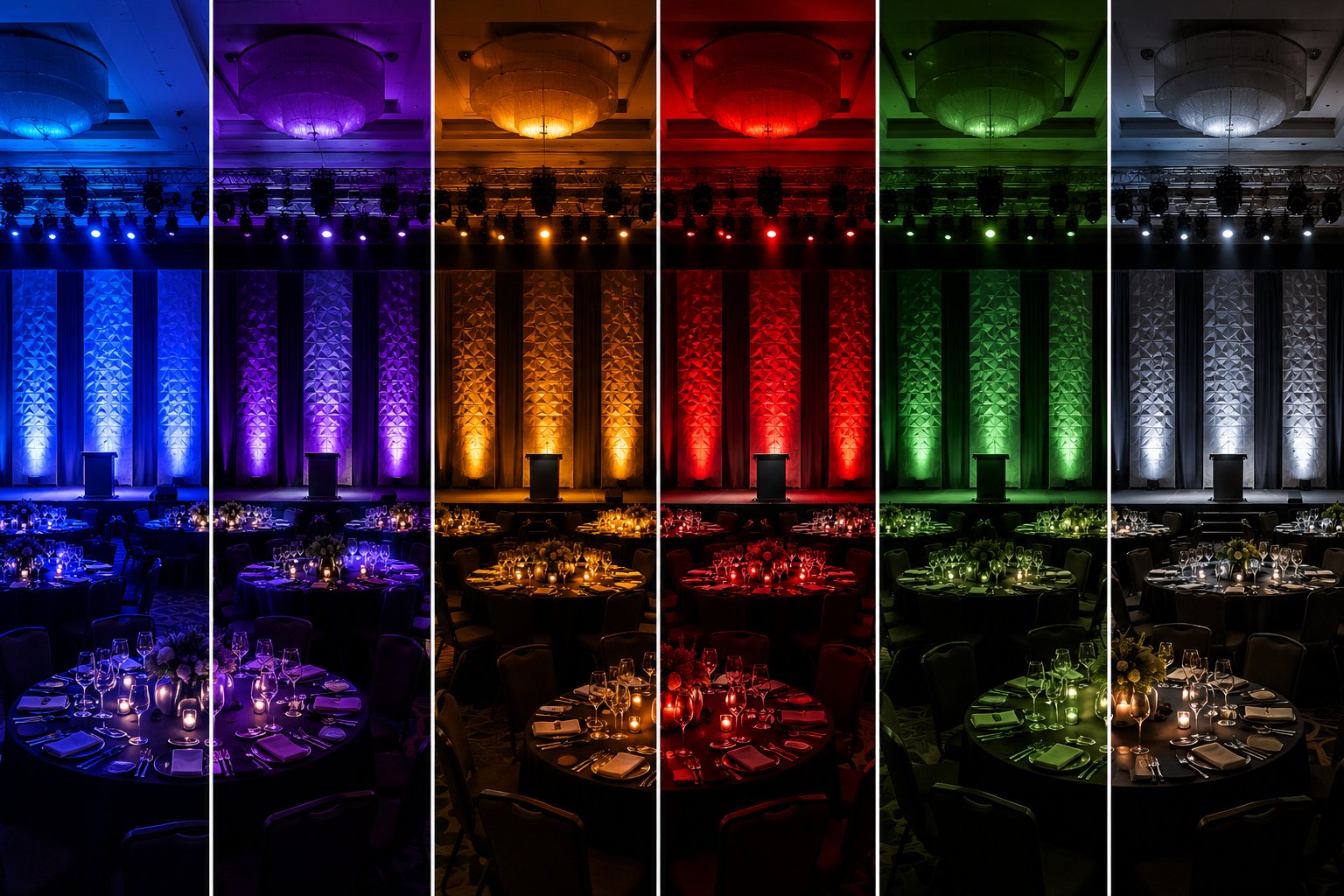
💡 Stage and environmental lighting
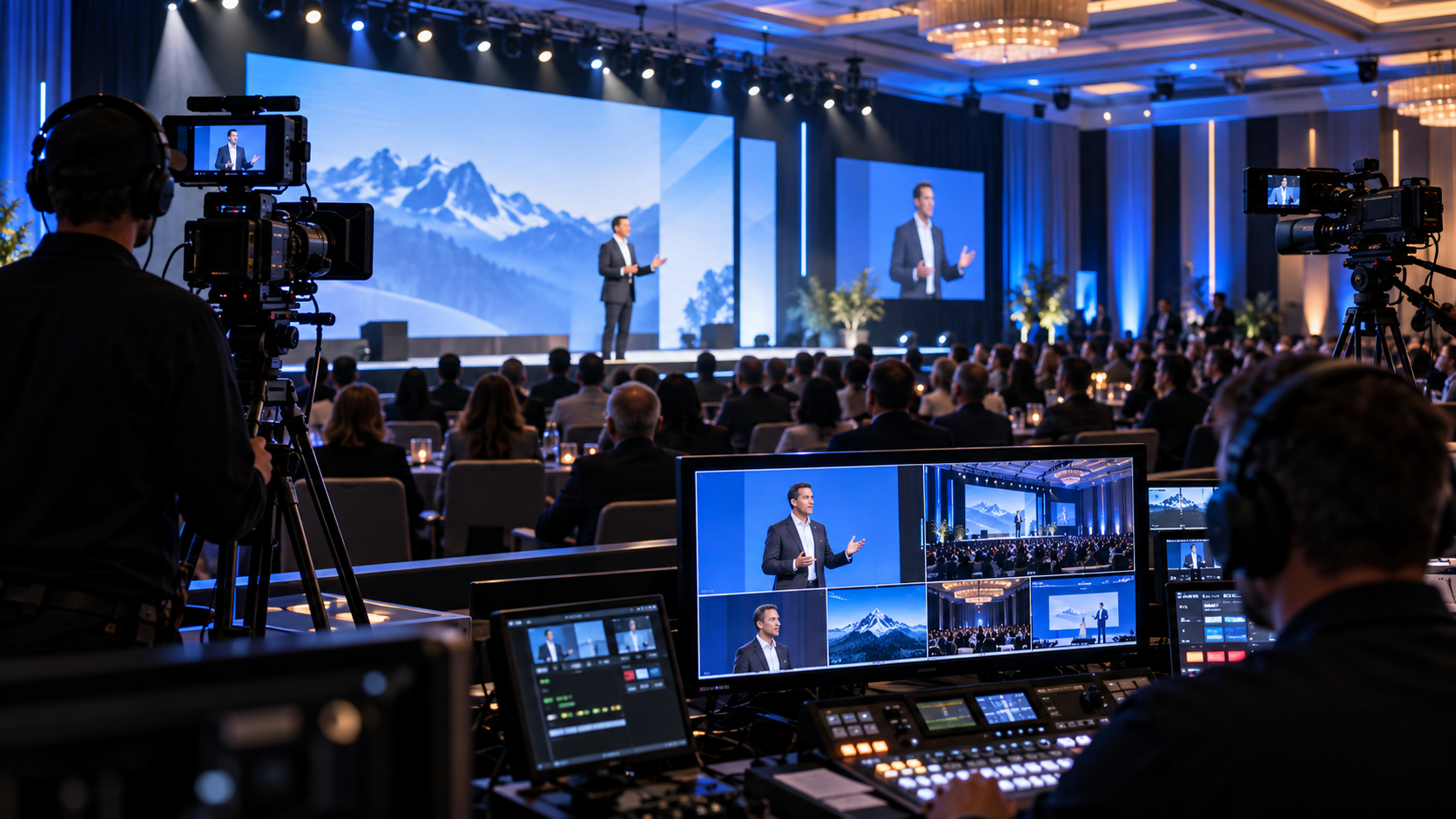
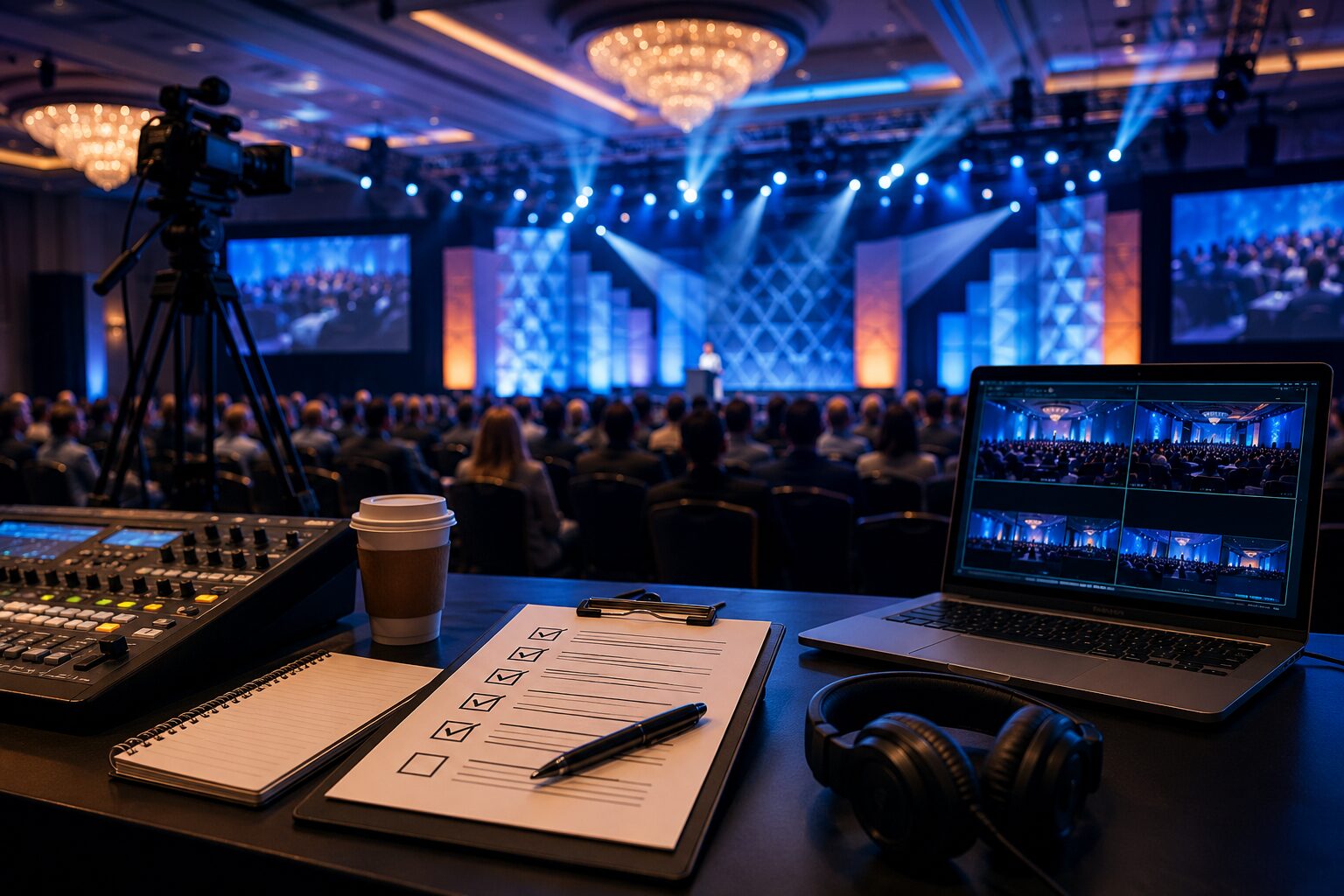
🎬 Multi-camera live video production
📡 Live-streaming and recording
🏗️ Staging and scenic elements
👨💻 Technical event support
A powerful story loses much of its impact if half the ballroom cannot hear it or the video is too small for guests to see.
The technology should never overpower the story. It should help the story reach everyone in the room.
Plan the Fundraising Moment Like Part of the Storytelling
One of the biggest mistakes a fundraising event can make is telling an emotional story and then abruptly switching to: “Okay, now scan this QR code.”
The call to action should feel like the natural next chapter.
If you’ve shown the problem, introduced the people involved, demonstrated what the organization can accomplish, and explained what’s still needed, then giving becomes a way for attendees to participate in the outcome.
Be specific. Instead of only saying: “Please donate tonight” explain what different levels of support can help make possible—using figures your organization can genuinely substantiate.
Then reinforce the fundraising moment visually.
Use the LED wall to show the goal, donation instructions, progress, sponsor matches, or verified impact information. Make sure the presenter has a reliable microphone. Use lighting to focus attention on the stage. Coordinate video, graphics, music, and cues with the run of show.
Those details matter because the donation appeal is not separate from the production. It is one of the most important moments in the production.
Tell Stories Ethically
There is also a responsibility that comes with turning someone’s experience into fundraising content.
The Ethical Storytelling initiative recommends putting the person whose story is being told first, explaining how images and interviews will be used, obtaining informed permission, respecting whether someone wants to be identified, and avoiding sensationalism or stereotypes. [Ethical Storytelling]
UNICEF has similarly emphasized informed consent, dignity, and protection when sharing the experiences of children and families. [UNICEF]
A powerful fundraising story should never require sacrificing someone’s dignity. The best stories don’t reduce people to their hardest moment. They show them as people.
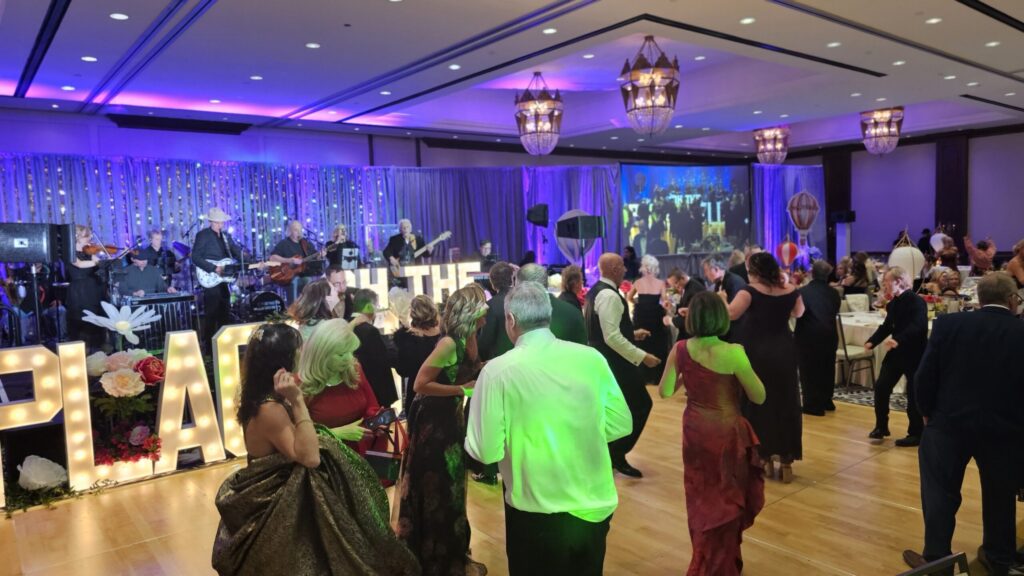
Turn Your Next Fundraiser Into a Story Worth Remembering
Better fundraising events aren’t necessarily the events with the most screens, the loudest music, or the largest stage. They’re the events where all of those elements support a clear purpose.
Your guests should leave understanding:
- Who needs help.
- Why the work matters.
- What your organization is accomplishing.
- And how they can become part of what happens next.
Phoenix Technology Audio Visual can help nonprofit organizations, fundraising teams, and event planners bring those stories to life through professional audio, video production, LED walls, lighting, staging, live-streaming, multi-camera production, presentation support, and experienced event technicians.
Whether you’re planning a gala, benefit dinner, fundraising luncheon, awards program, auction, community event, or nonprofit conference, don’t simply tell your guests that their support matters.
Help them see why it matters.
See our past work HERE and talk with Phoenix Technology Audio Visual about your next fundraising event! Don’t forget to follow us on FACEBOOK & LINKEDIN to see more awesome content like this.