When it comes to live events, your audio-visual team isn’t just a vendor — they’re the engine that drives the experience. The right questions early in the planning process can prevent headaches, save money, and elevate your event from “well done” to unforgettable.
At Phoenix Technology Audio Visual, we encourage our clients to ask questions — lots of them. The more we understand your goals, the more effectively we can design and execute a technical plan that delivers. Here are some of the most important questions you should be asking us (your A/V team), and why they matter.
1. “What is your plan for my specific venue?”
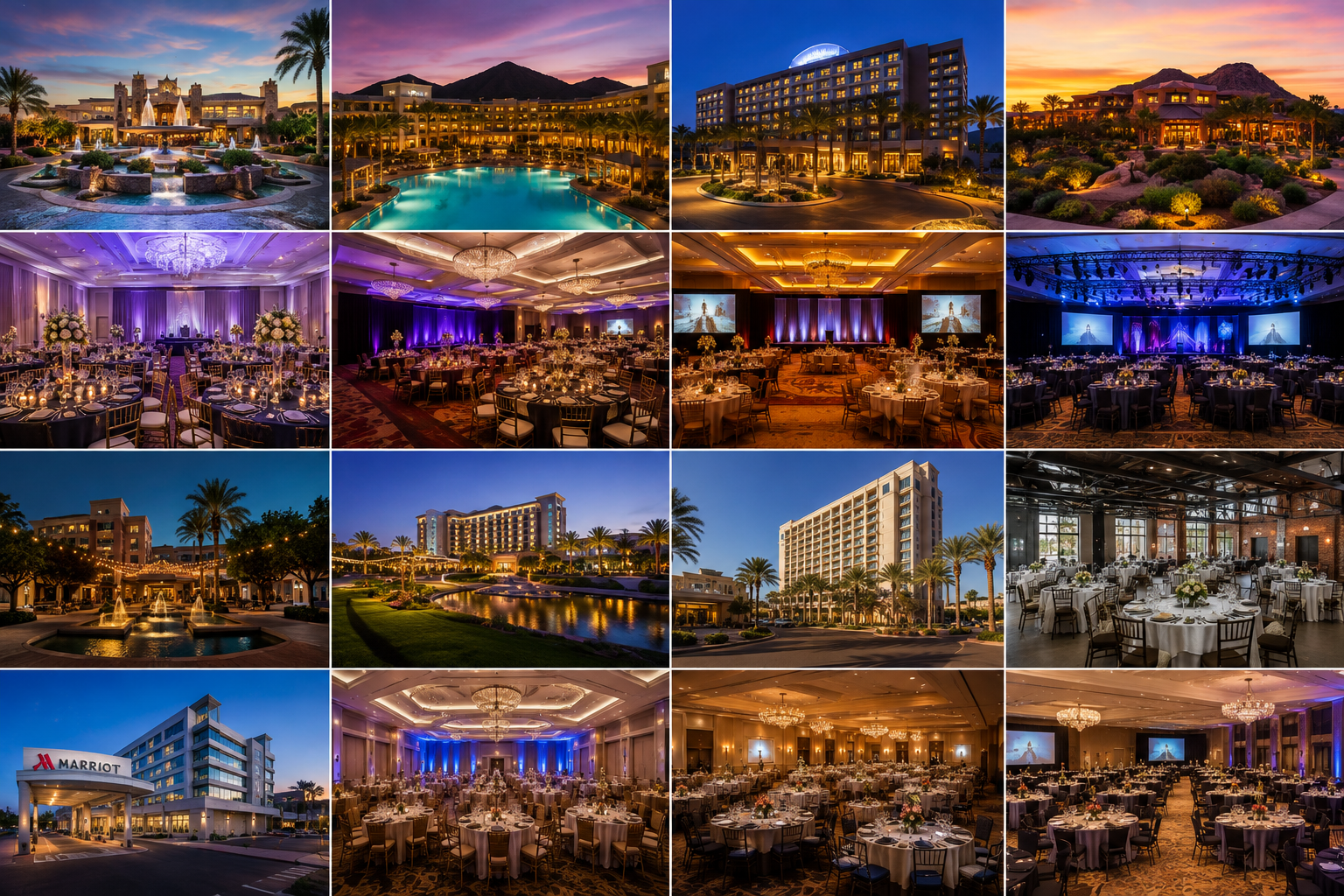
Every venue has its quirks — from ceiling height and rigging points to acoustics and available power. The A/V setup for a hotel ballroom is vastly different from a convention center or an outdoor pavilion.
Why It Matters:
A tailored plan ensures your event runs smoothly and looks great. We’ll walk the venue with you (or in advance) to note sightlines, measure throw distances for projectors, plan truss placement, and identify areas that might cause sound reflections or dead spots.
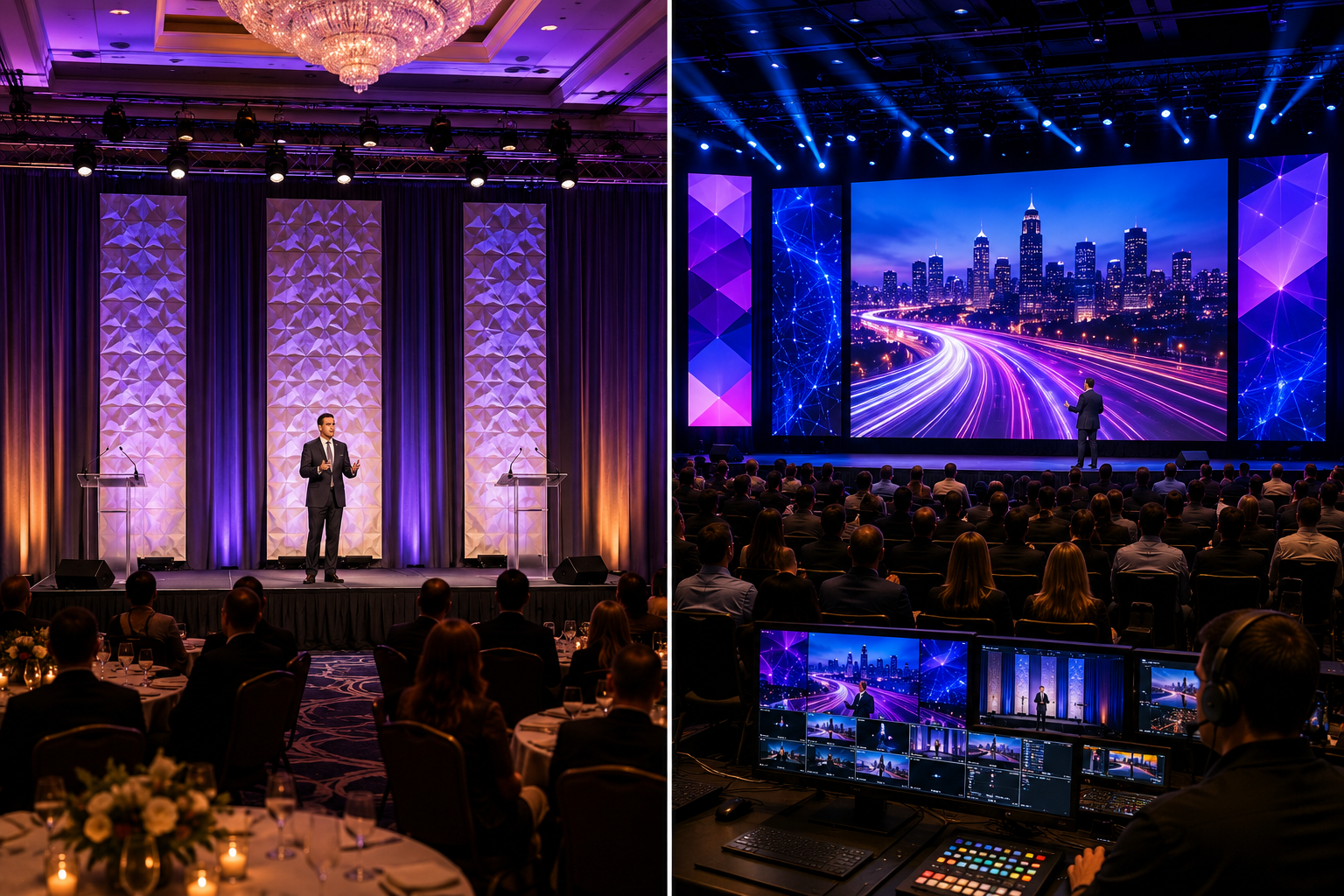
Example: For a corporate conference in a ballroom, we may recommend a central projector with side screens for overflow seating, paired with evenly distributed speaker arrays to avoid “hot spots” of volume.
2. “How will you handle audio coverage for my audience size?”
The size and shape of your audience area determines how we design the sound system. Too little coverage leaves guests straining to hear. Too much power without control leads to distortion.
Why It Matters:
Clear, balanced sound is the backbone of a professional event. We calculate speaker placement, delay tower positions (if needed), and frequency tuning to ensure every attendee hears the same quality sound — whether they’re in the front row or near the back wall.
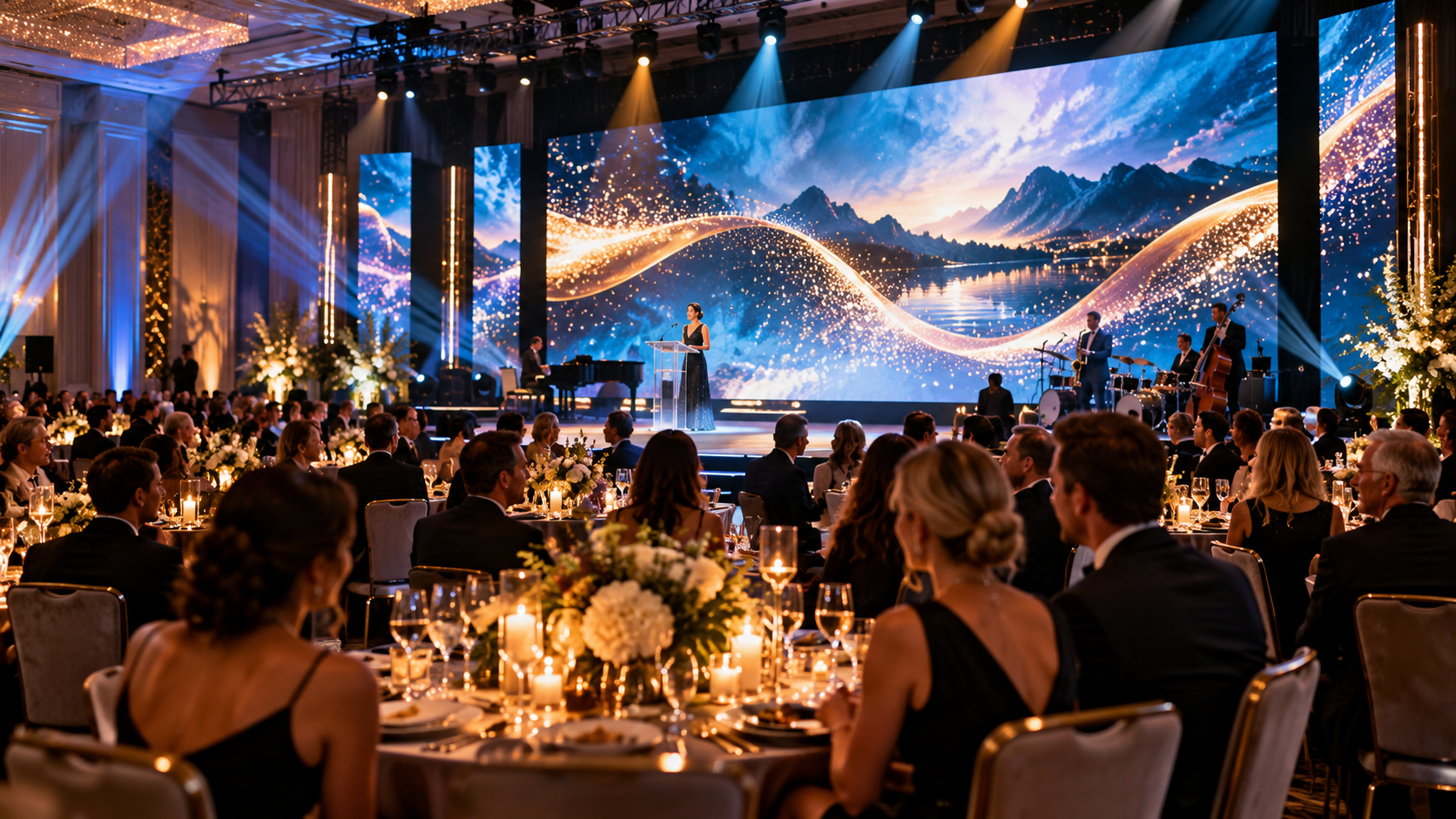
Example: At a gala with both a speaking program and a live band, we may design separate audio zones, allowing us to switch from speech-optimized settings to music-optimized ones instantly.
3. “What is the lighting design and how does it match my event goals?”
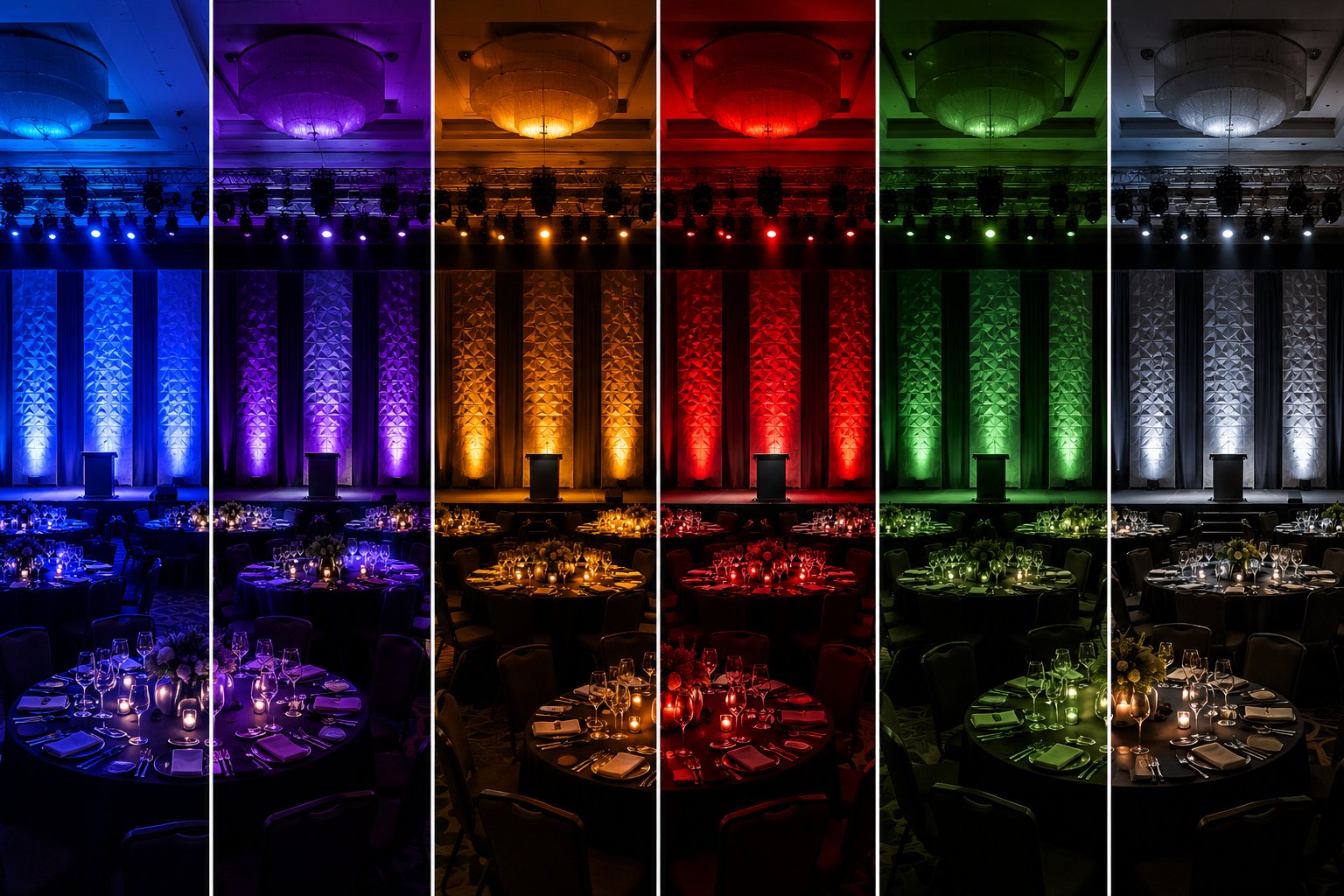
Lighting does more than illuminate — it sets the mood, directs attention, and enhances branding. The right lighting configuration depends on the tone of your event.
Why It Matters:
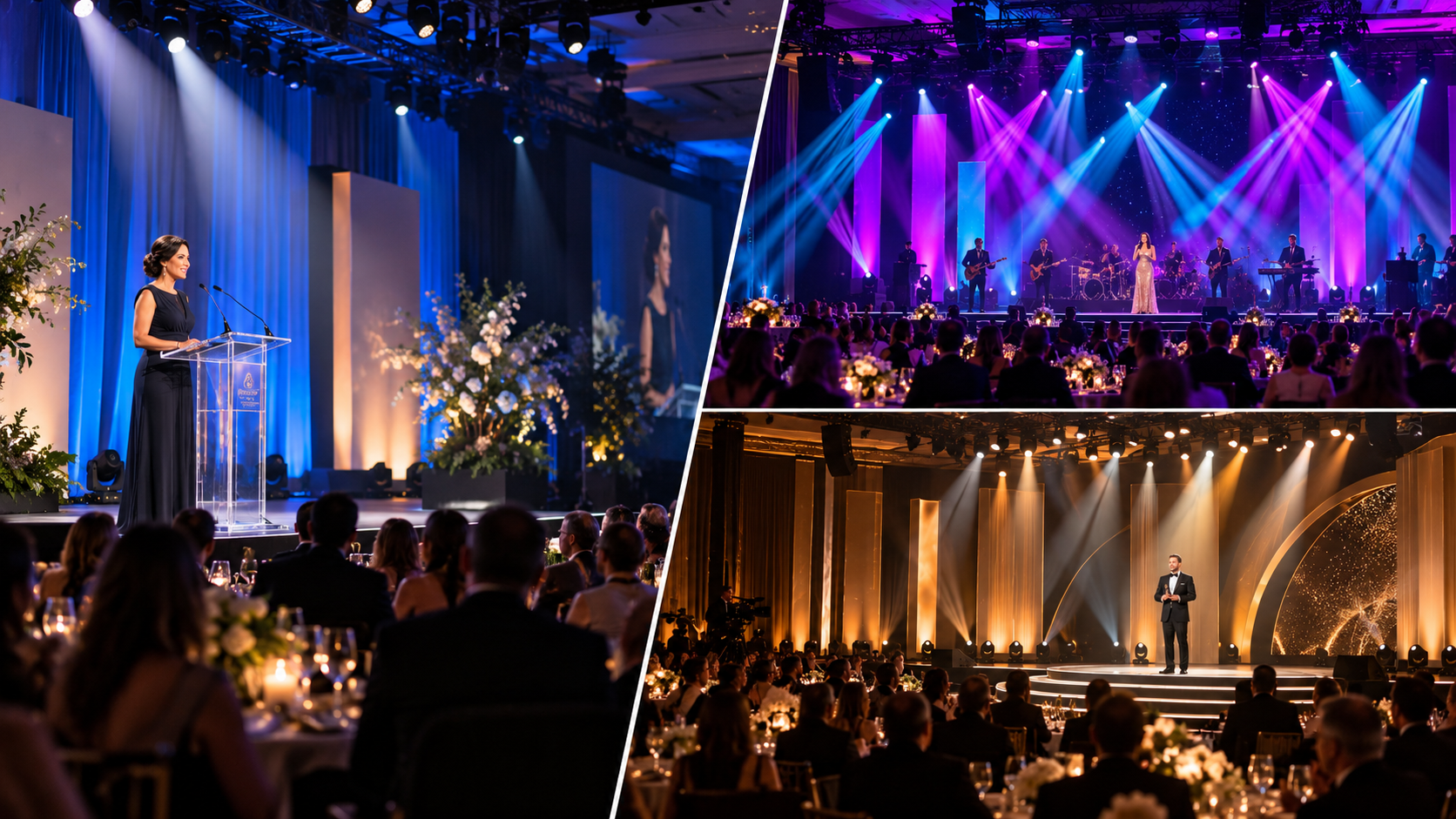
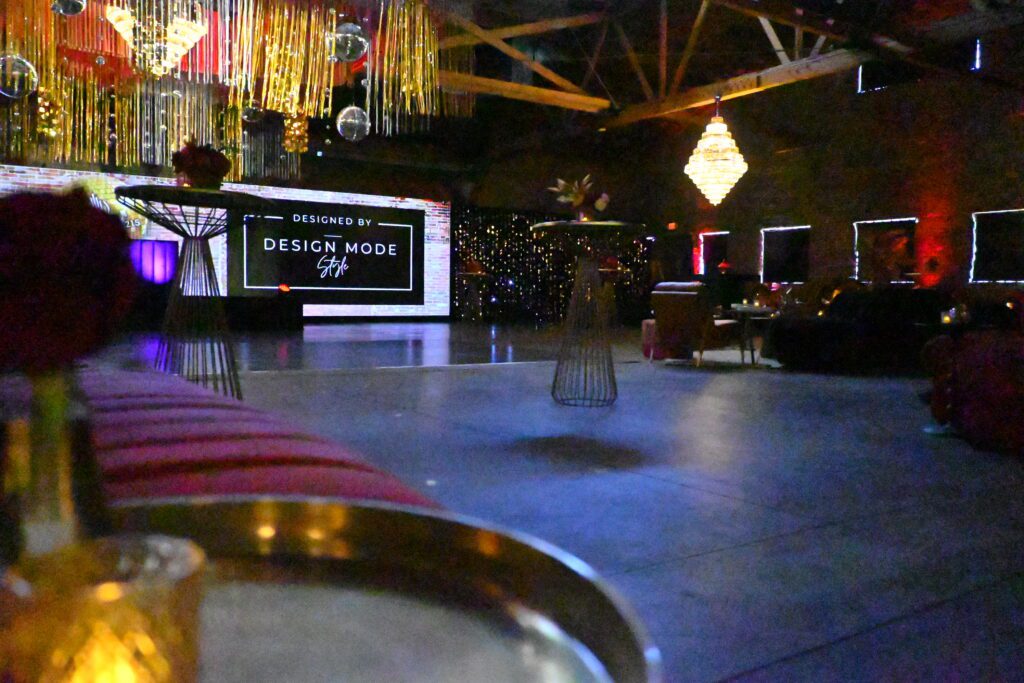
As you’re all-in-one A/V team, we’ll guide you through decisions like whether to use warm washes for intimate dinners, dynamic moving heads for performances, or static uplighting to reinforce brand colors. Lighting programming can also be timed to speeches, music cues, or live camera work for maximum impact.
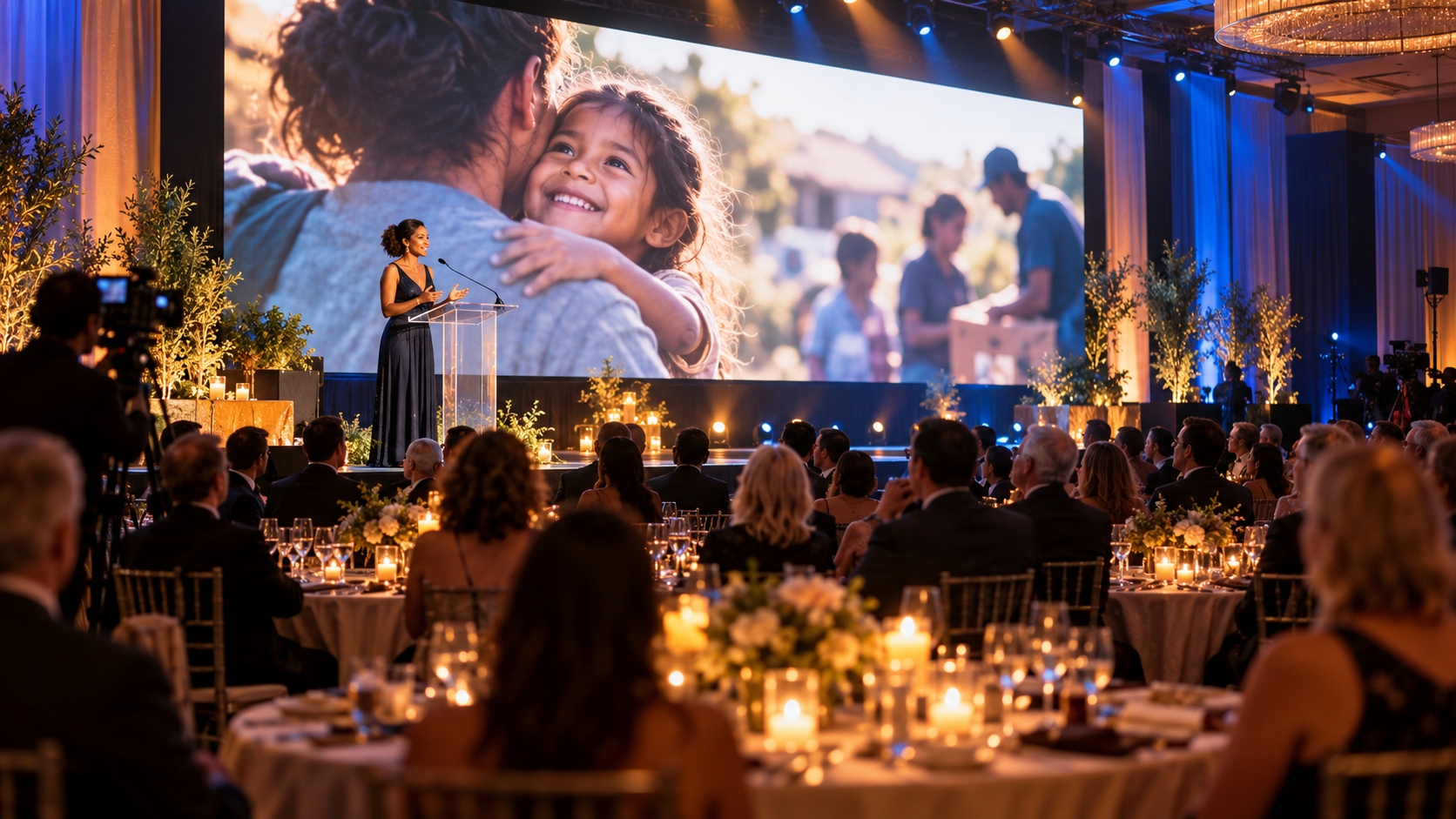
Example: For a fundraising gala, we might program the lights to shift into your brand colors when announcing donation milestones — adding excitement and reinforcing your mission.
4. “How do you ensure smooth transitions between segments?”
Events rarely have one continuous segment. You may have a keynote speaker, panel discussion, award presentation, and entertainment — all within the same program.
Why It Matters:
Seamless transitions keep your audience engaged. We pre-program cues for lighting, sound, and visuals so that each segment change is instant and polished.
Example: At a conference, we may fade out walk-in music, bring up podium lighting, and display the keynote’s title slide — all triggered by a single programmed cue on our control console.
5. “What’s your backup plan if something goes wrong?”
Even the most reliable technology can have surprises — that’s why we plan for them.
Why It Matters:
You need to know that your A/V team has redundancies in place. We bring backup microphones, spare cables, extra playback devices, and contingency programming so the show goes on without interruption.
Example: If a wireless microphone loses signal during a speech, we can instantly switch to a wired mic or an alternate wireless channel without disrupting the flow.
6. “How do you integrate with my event timeline?”
Your A/V team should work in sync with your event planner, catering schedule, performers, and venue staff.
Why It Matters:
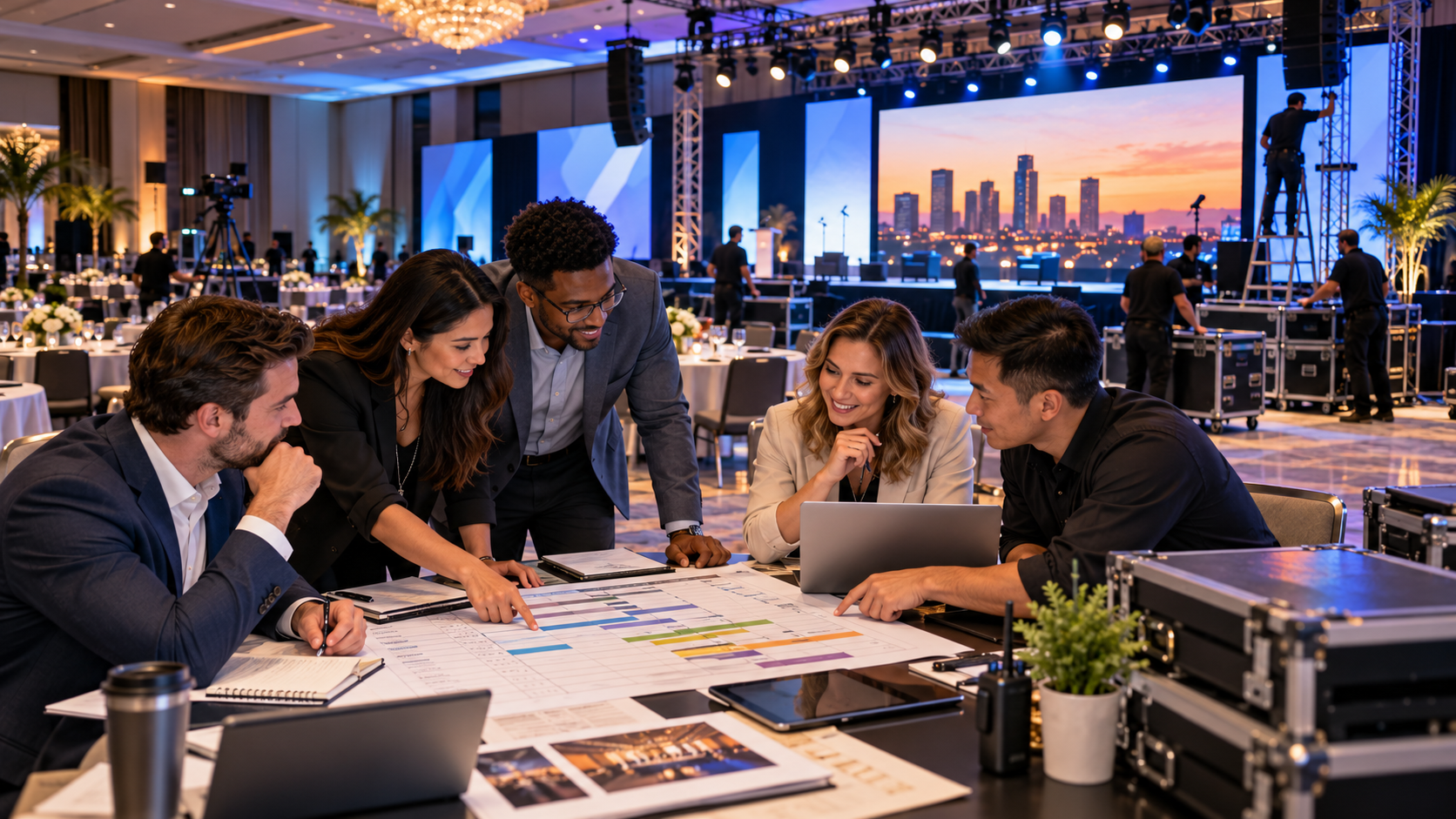
From setup to rehearsals to showtime, technical timing must align perfectly with the broader event timeline. We’ll confirm load-in times, soundcheck windows, rehearsal cues, and tear-down logistics well in advance.
Example: For a trade show opening ceremony, we may schedule rehearsals for speakers in the early morning, ensuring they’re comfortable with microphone placement and stage flow before doors open.
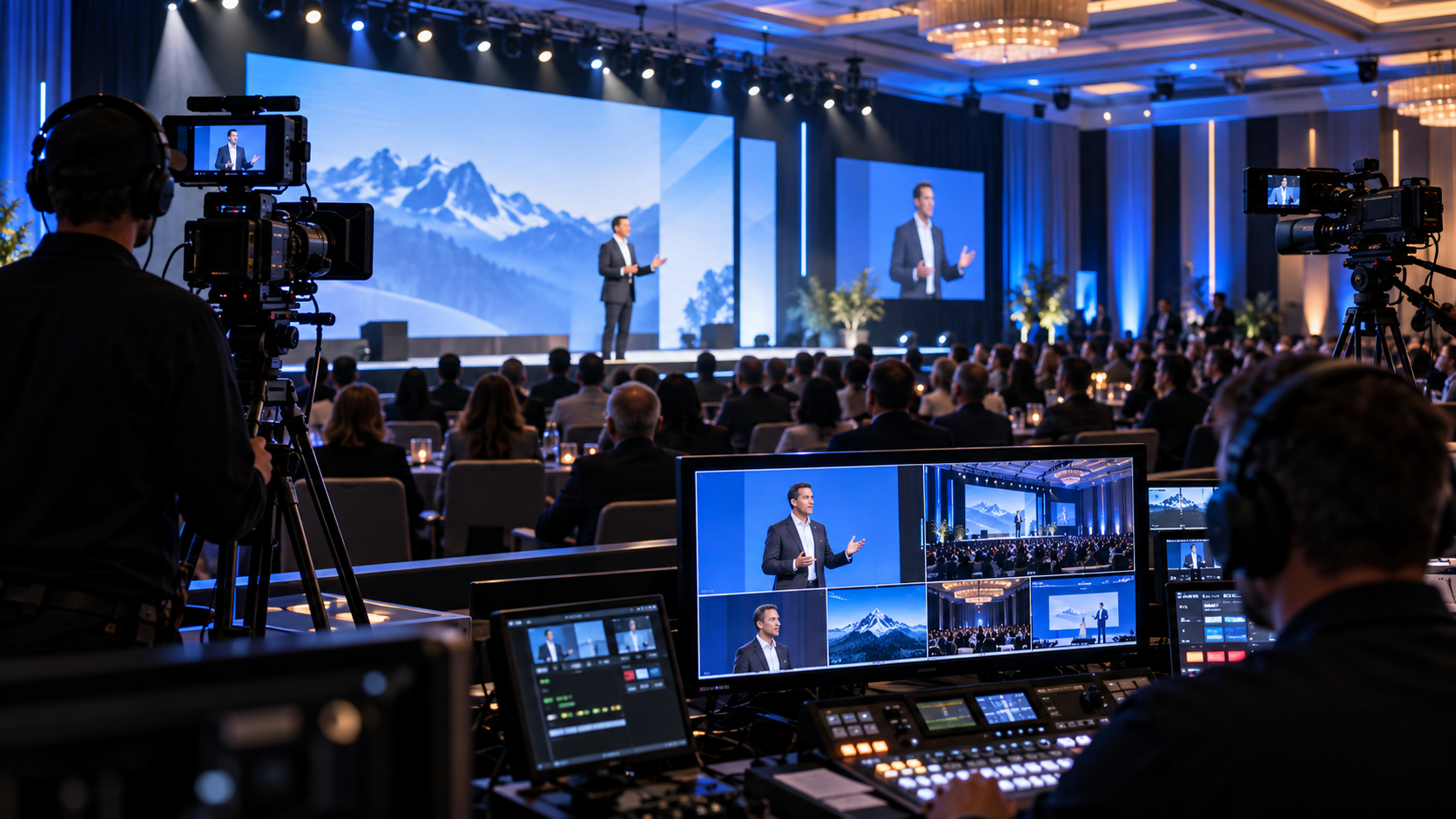
7. “How will my event be recorded or streamed?”
Many events today have hybrid or virtual elements — whether for remote attendees, post-event marketing, or archival purposes.
Why It Matters:
High-quality recording and streaming require dedicated planning for camera placement, audio feeds, and internet connectivity. We ensure the technical setup delivers both in-person impact and professional-quality virtual content.
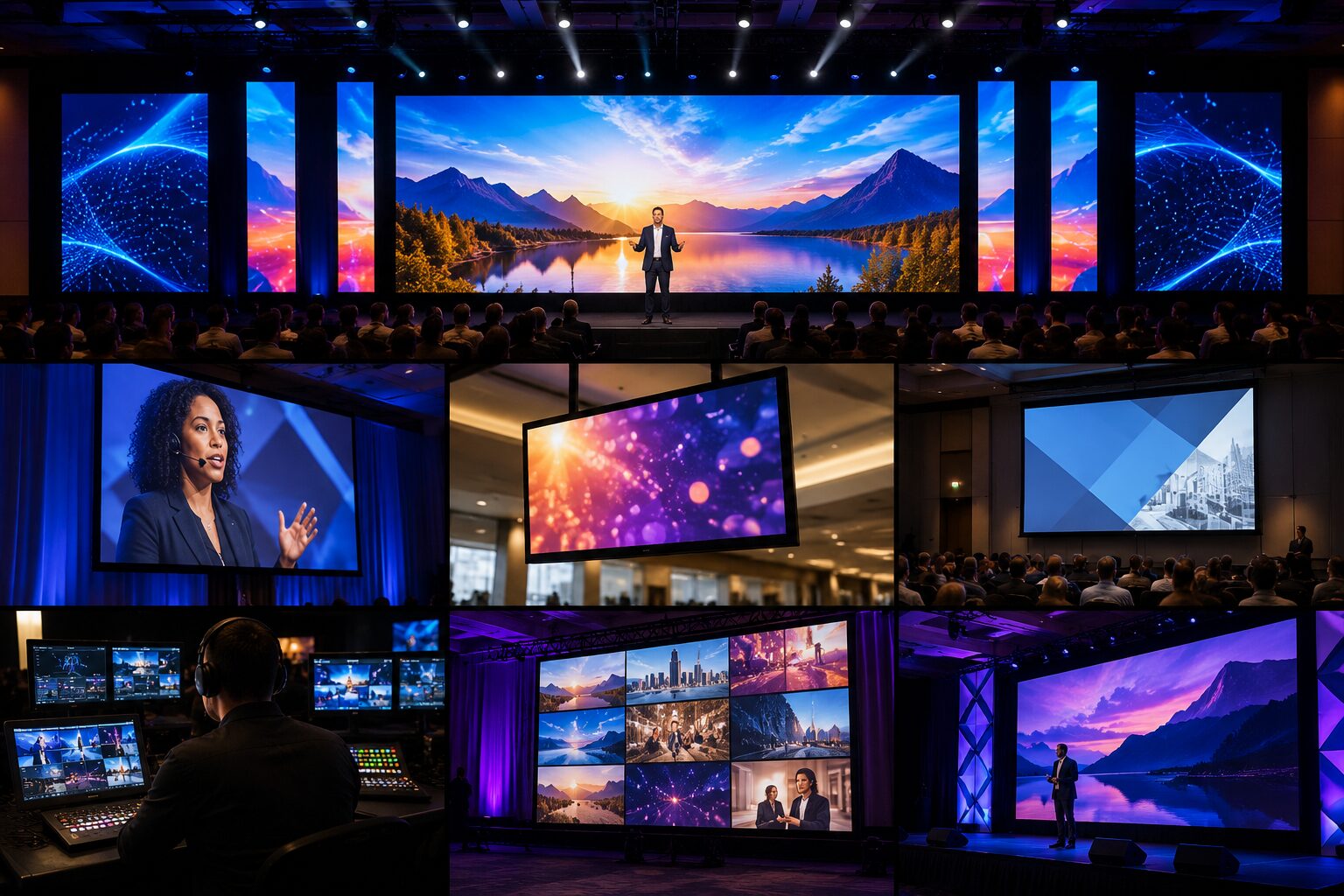
Example: For a product launch, we might run a multi-camera live stream with a dedicated director switching between shots, while simultaneously recording clean audio for later use in promotional videos.
The Takeaway
When you ask the right questions, you set your A/V team up for success — and that means your event runs flawlessly. At Phoenix Technology Audio Visual, we welcome detailed conversations about your vision, challenges, and expectations. Our job is to translate your ideas into a seamless technical experience that makes you look like a hero to your guests, sponsors, and stakeholders.
So, next time we meet, bring your questions — we’ve got the answers, and the solutions to back them up.