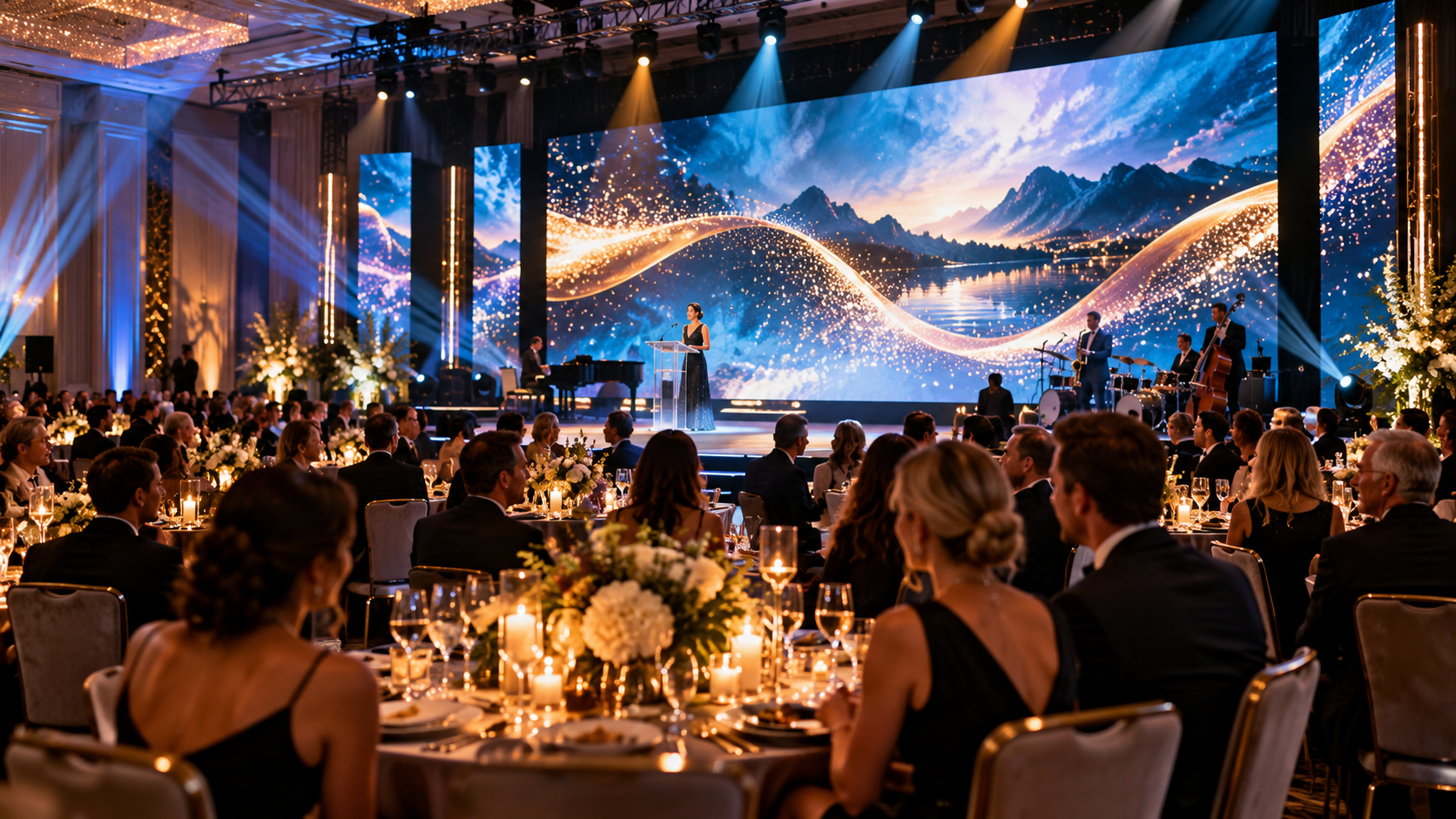
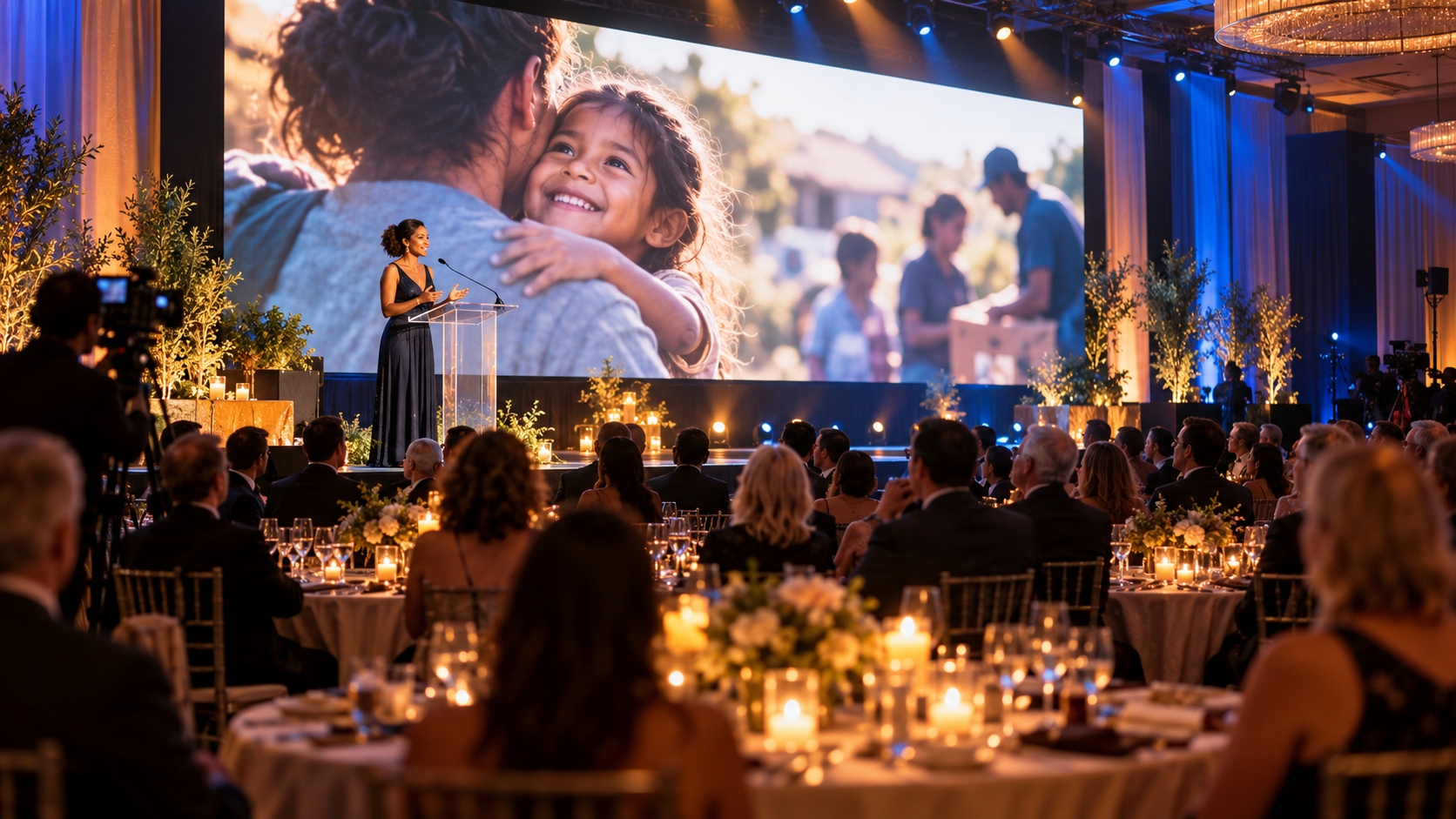
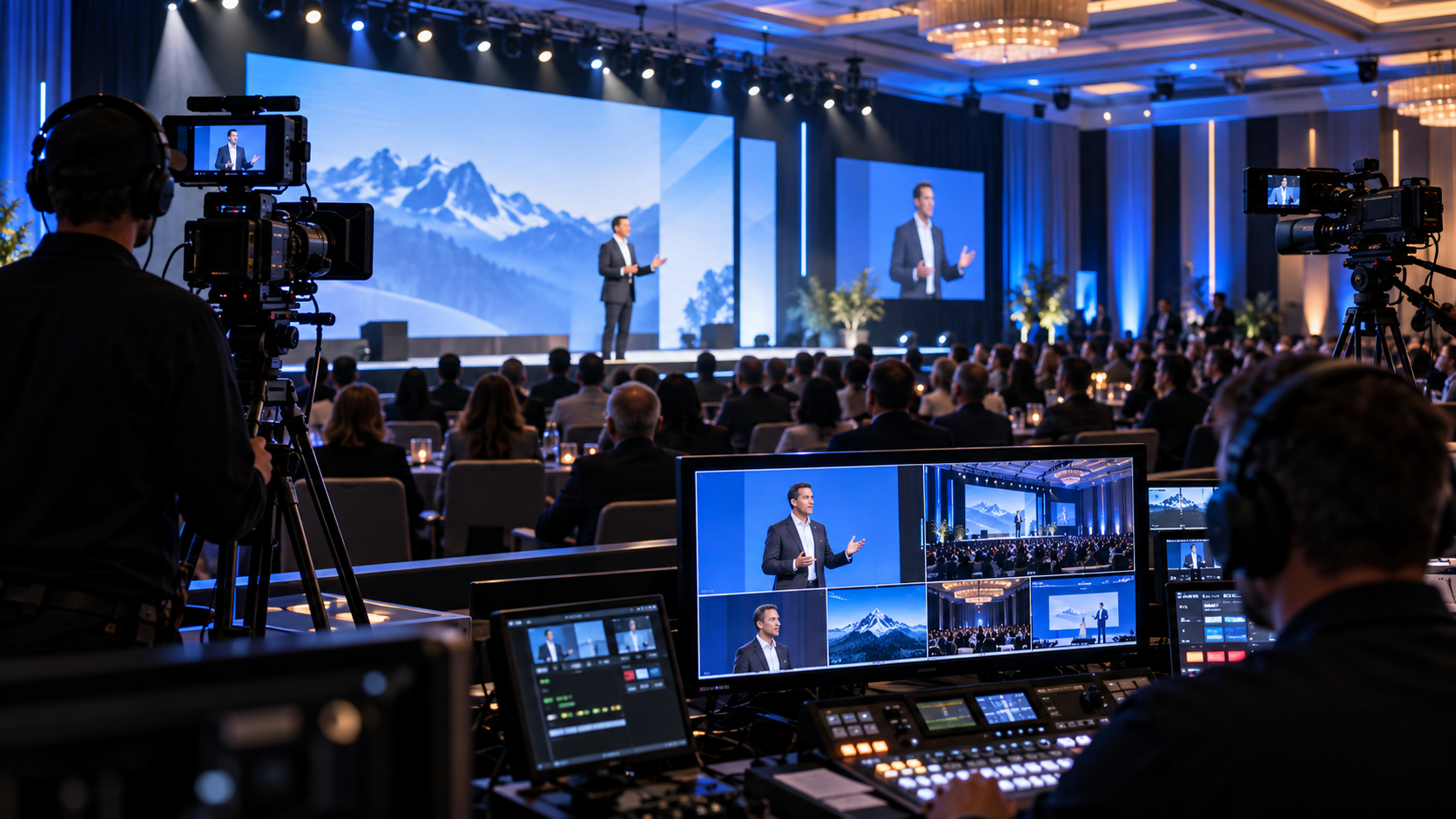
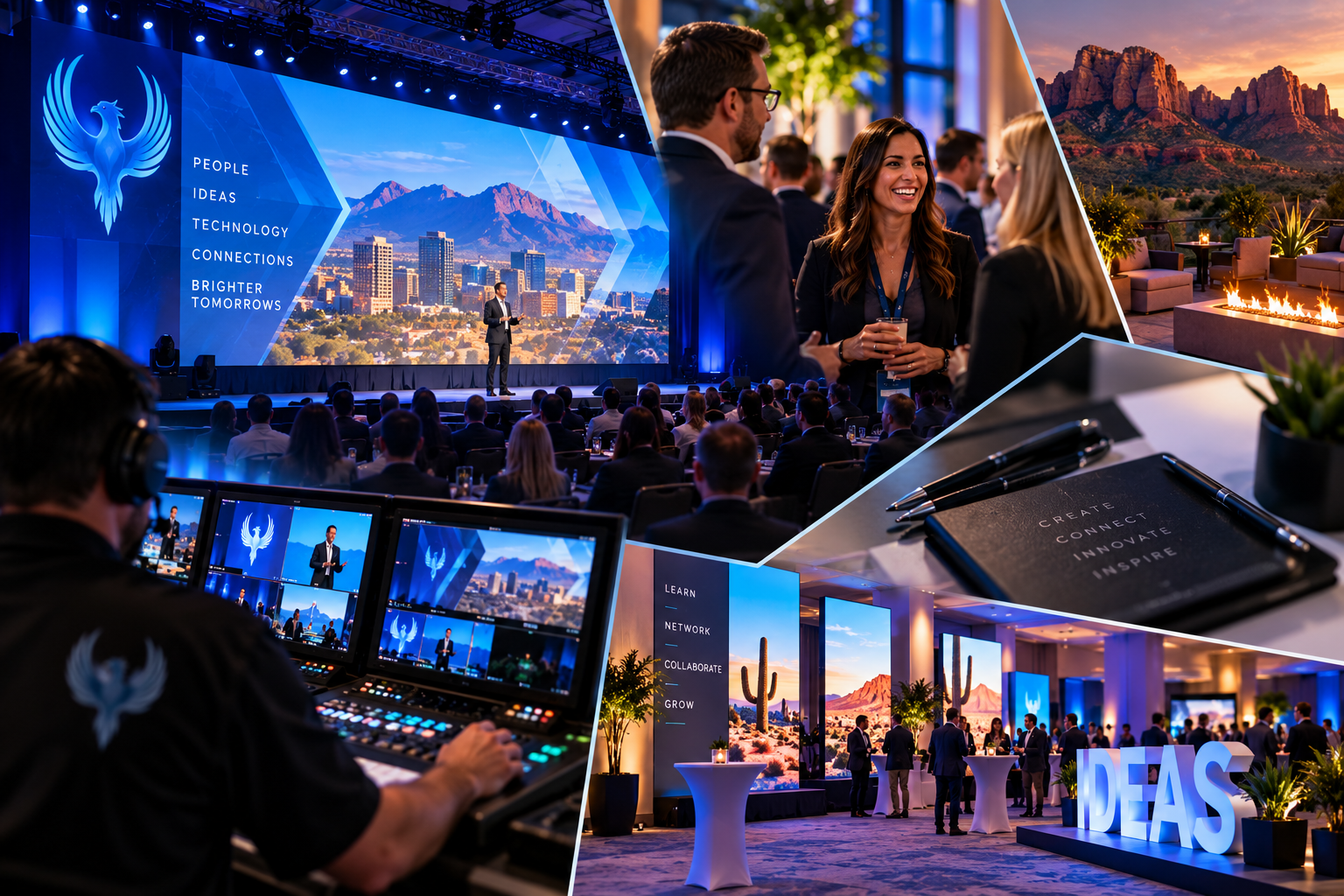
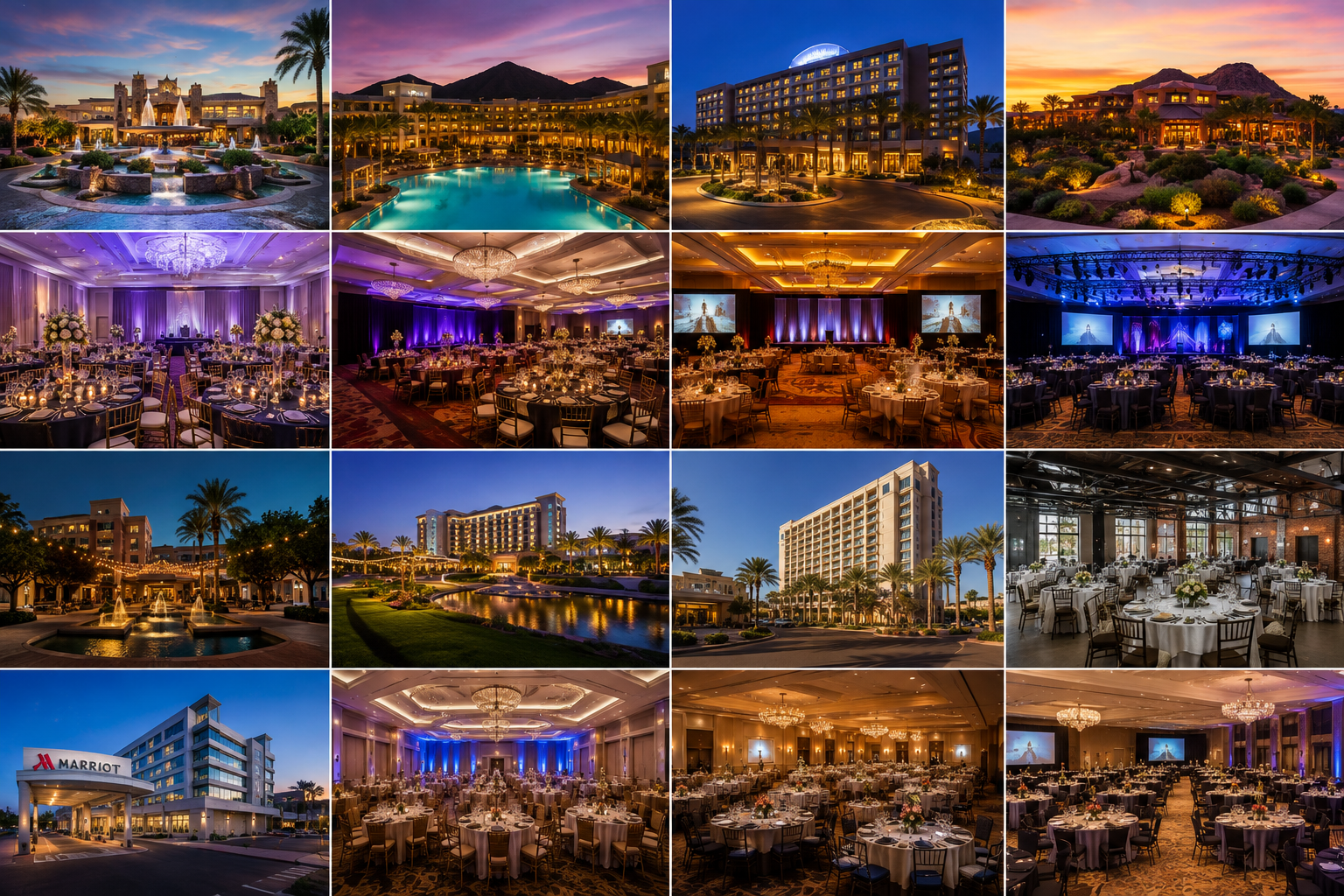
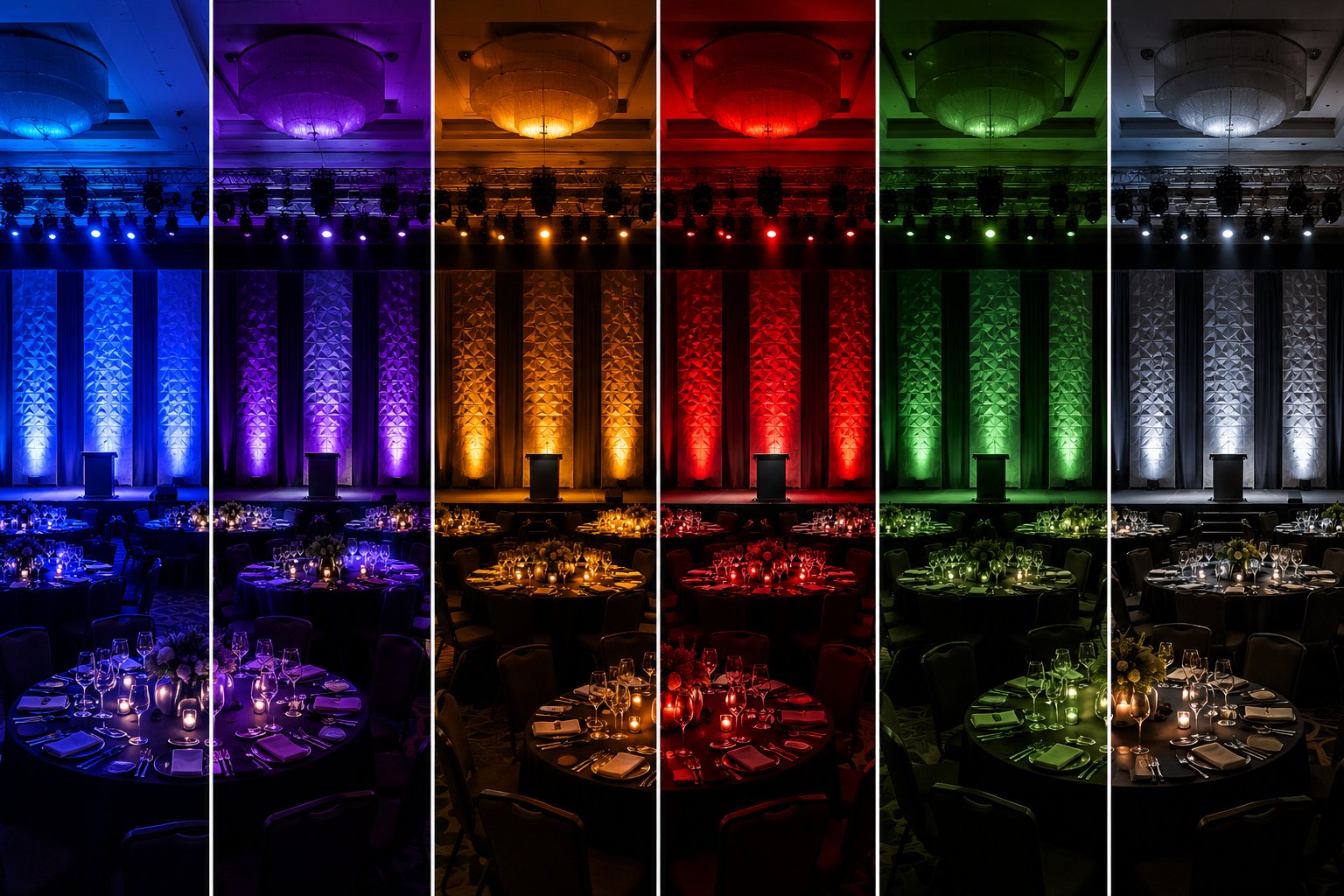
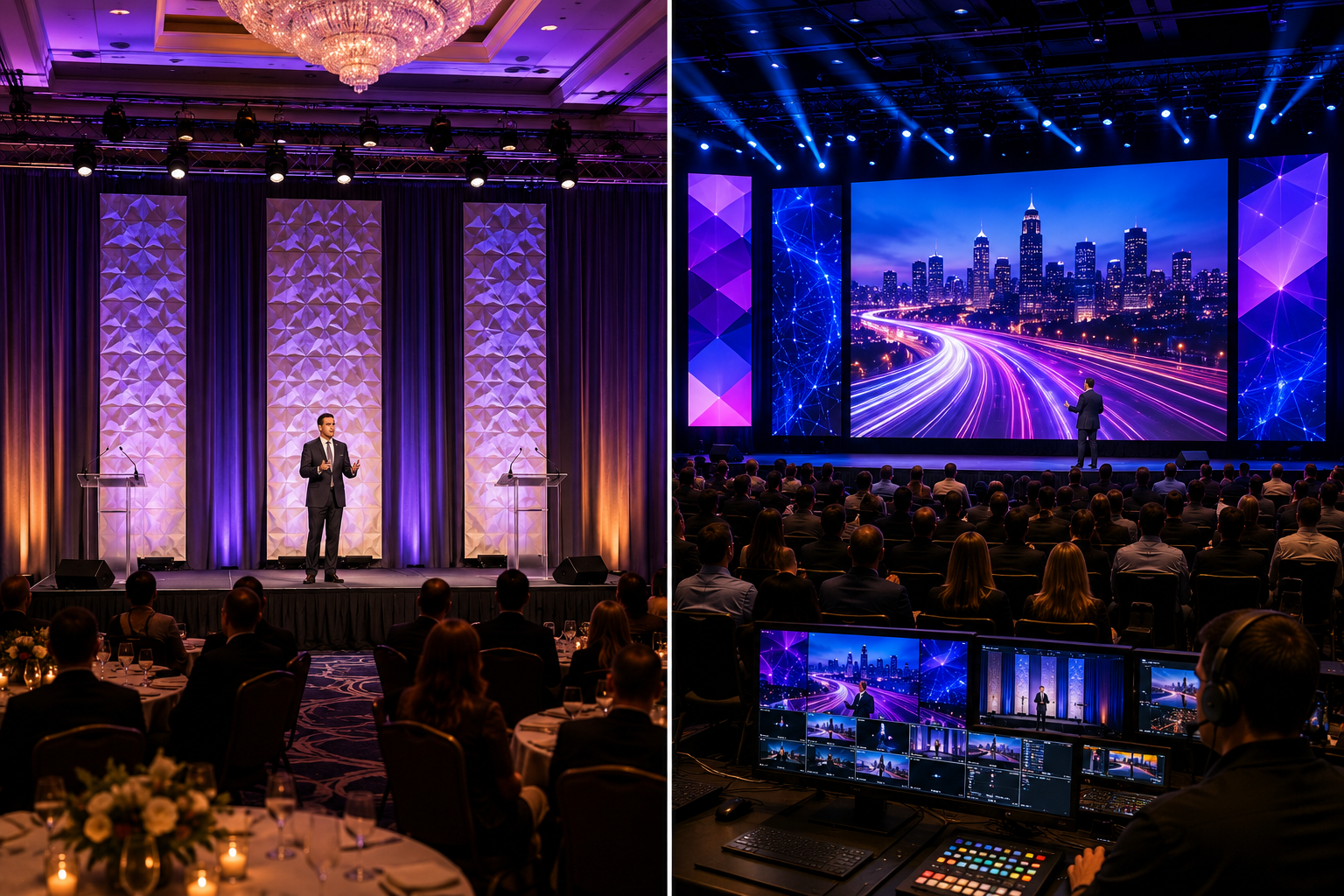
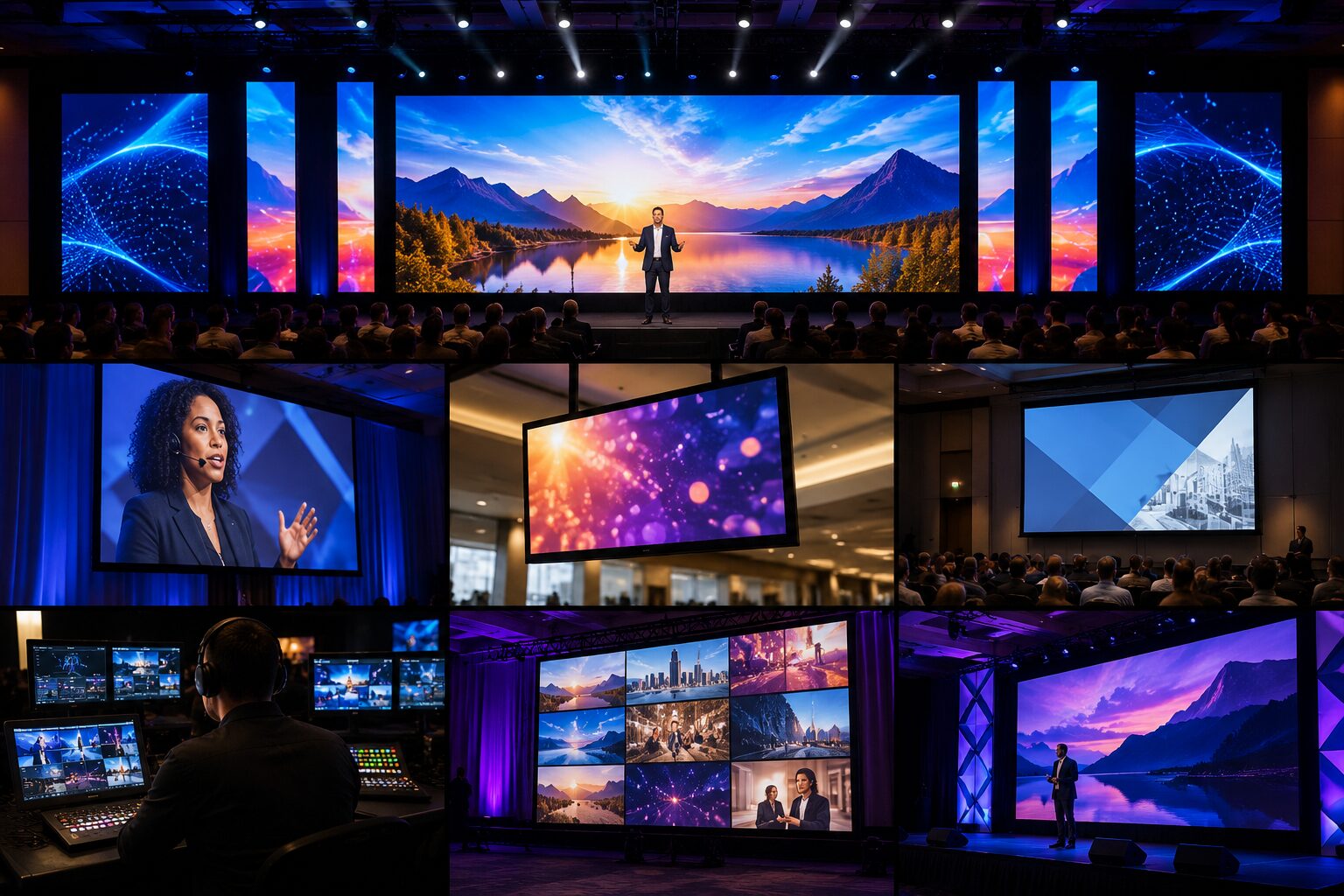
When it comes to live event production, preparation isn’t just important — it’s everything. Whether you’re planning a corporate conference, a high-energy fundraiser, or a gala with complex stage lighting and multiple camera angles, your A/V team is at the heart of making it all work. But here’s the question many event planners and organizers wrestle with: how often should you follow up with your A/V team before your big day? Too little communication can lead to overlooked details, while too much can clog the process with unnecessary back-and-forth.
The key is finding the right rhythm — one that keeps everyone aligned without creating information overload.
Why Follow Up Matters in A/V Production
Your A/V team handles dozens of moving parts: audio clarity, lighting design, camera placement, stage projection, livestream feeds, and backup contingencies for every possible hiccup. One missed detail — like forgetting to confirm a wireless microphone count or the dimensions of your LED wall — can snowball into last-minute scrambling.
Following up isn’t just about checking boxes. It’s about:
- Confirming technical details to match your vision.
- Coordinating changes as your event plan evolves.
- Allowing for adjustments when new elements are added (like a last-minute keynote speaker).
- Preventing surprises on event day.
A Suggested Follow Up Timeline
While every event is unique, here’s a proven framework for keeping communication clear and productive.
1. Initial Kickoff — 4–6 Weeks Minimum Before the Event
This is your deep-dive conversation. It’s where your A/V team learns your vision, objectives, venue layout, run-of-show schedule, and any creative or technical expectations.
Topics to cover:
- Stage design concepts.
- Audio requirements (number of microphones, type of music playback, language interpretation needs).
- Video and projection details (aspect ratios, resolution, presentation formats).
- Livestreaming or recording plans.
- Contingency planning for technical issues.
Why this matters: It gives your team enough time to source equipment, assign technicians, and plan for complex setups.
2. Progress Check-In — 2–3 Weeks Before the Event
By now, your A/V team has begun locking in gear lists and staffing. This is your opportunity to review progress and address any changes since the kickoff.
Topics to cover:
- Updated event schedule.
- Finalized presentation files or media assets.
- Any changes to speakers or performers.
- Venue walk-through updates (if the space is being modified for your event).
Example: If your fundraising gala adds a live auction, this is the time to discuss camera coverage, projection of auction items, and audio cues for the auctioneer.
3. Final Confirmation — 5–7 Days Before the Event
This is the “no surprises” meeting. Everything should be locked in at this point, and both sides should feel confident in the plan.
Topics to cover:
- Final run-of-show document with timestamps.
- Placement of all equipment in the venue.
- Confirmation of all A/V staff roles.
- Testing times for media content.
- Cue sheet for lighting and audio transitions.
Why this matters: Any changes within this final week can cause ripple effects. Your A/V team needs clear, final information to ensure seamless execution.
4. On-Site Day-of Touchpoint
Even with perfect preparation, event day brings energy, adrenaline, and the occasional curveball. A quick check-in with your A/V lead can ensure last-minute tweaks — such as adjusting mic volume for a softer-spoken keynote speaker — happen smoothly.
Best practice: Keep these on-site updates concise. Trust that the preparation work has already set the stage for success.
How Often Is Too Often on Follow up?
While proactive communication is critical, it’s possible to overdo it. Bombarding your A/V team with daily calls or repeated requests for information they’ve already confirmed can slow progress. Instead, aim for purposeful follow ups — each touchpoint should have a clear agenda and actionable outcomes.
Building a Collaborative Relationship
Your A/V team isn’t just a vendor; they’re a creative and technical partner. When communication is consistent and respectful of timelines, your production benefits in multiple ways:
- Fewer last-minute surprises.
- Better contingency planning.
- A more confident and prepared crew on event day.
Example: At a large-scale conference, one client kept a simple shared document where all questions, updates, and requests were logged. The A/V team checked it daily, ensuring nothing was missed without requiring constant phone calls.

The Phoenix Technology Audio Visual Approach
At Phoenix Technology Audio Visual, we believe the best events happen when communication is structured, intentional, and collaborative. Our process is designed so you always know where things stand — from the first creative conversation to the final cue of your event.
We guide clients through a clear follow up schedule, help them anticipate technical needs, and make sure every detail is confirmed before the big day. With this approach, our clients can focus on hosting, engaging, and inspiring their audience while we handle the precision and performance behind the scenes.
Bottom line: For most events, three to four structured follow-ups — each with a clear purpose — are enough to keep your production on track without creating unnecessary stress. The right follow-up rhythm ensures that by the time your event begins, the A/V side is already working like a perfectly tuned machine. Reach out to us HERE at Phoenix Technology Audio Visual, when you’re ready to kick off the conversation on your event. Check out our FACEBOOK page for more awesome content on recent events!