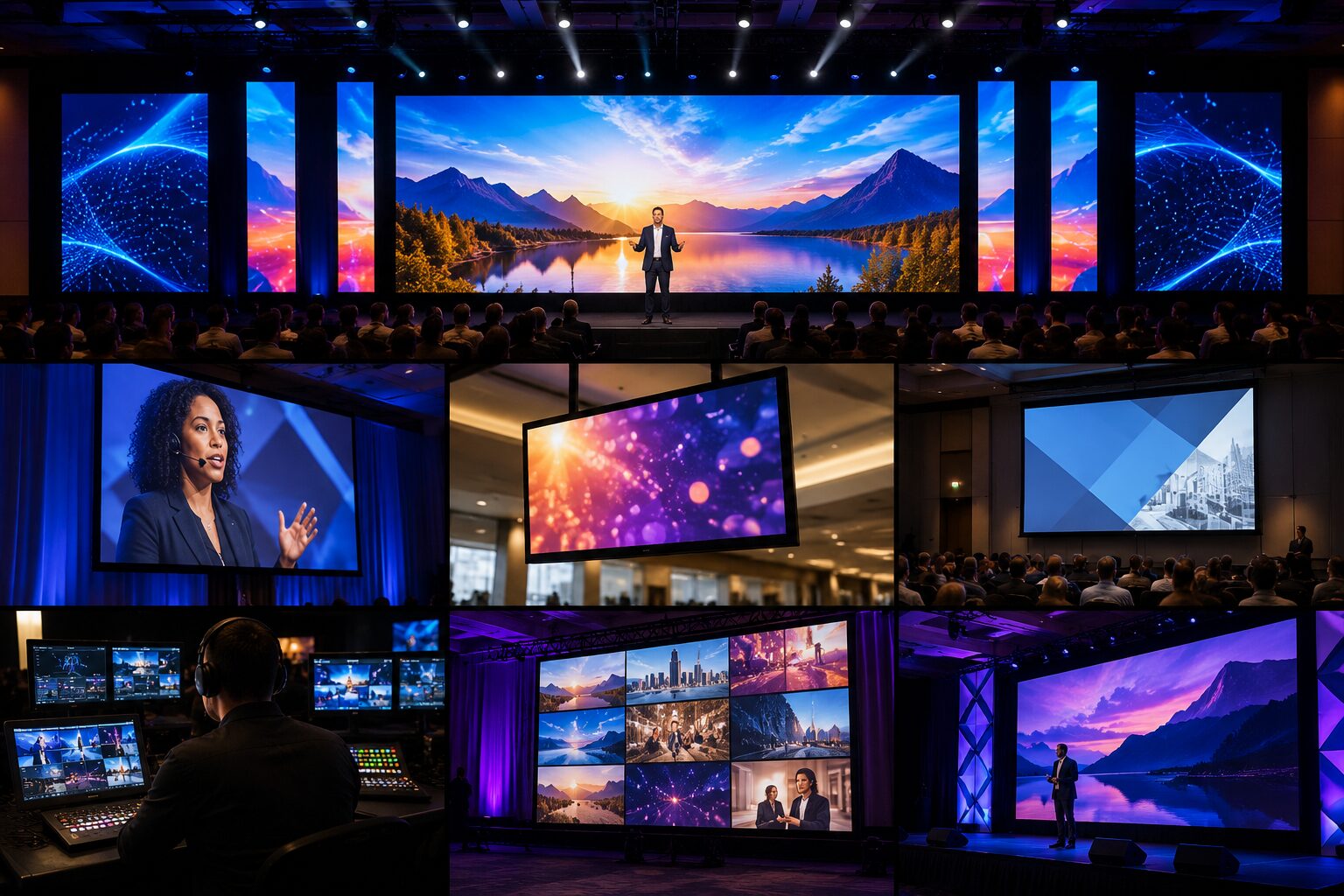
Planning a live event can sometimes feel like learning a new language. When you start working with an audio-visual (A/V) team, you’ll hear terms tossed around that may seem confusing or overwhelming. At Phoenix Technology Audio Visual, we believe that knowledge empowers you to make better decisions and collaborate more effectively with your production team, when you know how.
To help you feel confident and prepared, here’s a rundown of some of the most important A/V terms you’re likely to encounter during event planning — explained from the perspective of both the technical experts and the event planner.
1. Run of Show (ROS)
The run of show is the detailed schedule of your event that outlines every moment, cue, and transition — from the opening music to the last speech. It’s the roadmap that keeps the entire event production team on the same page.
Why it matters: Your A/V team relies on the ROS to know when to trigger lighting changes, start video playback, or adjust microphones. Having an accurate ROS prevents confusion and ensures smooth transitions.
2. FOH (Front of House)
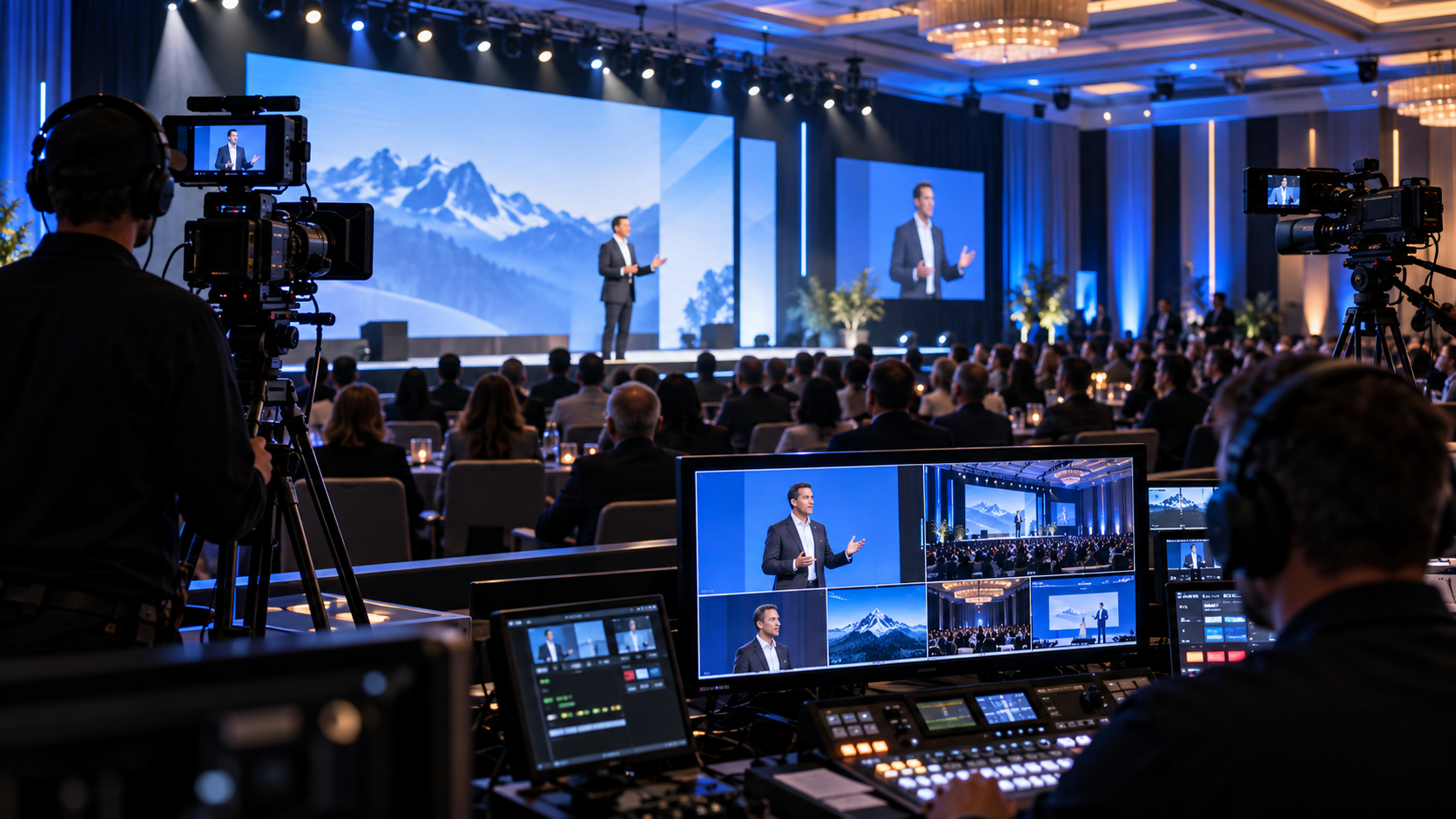
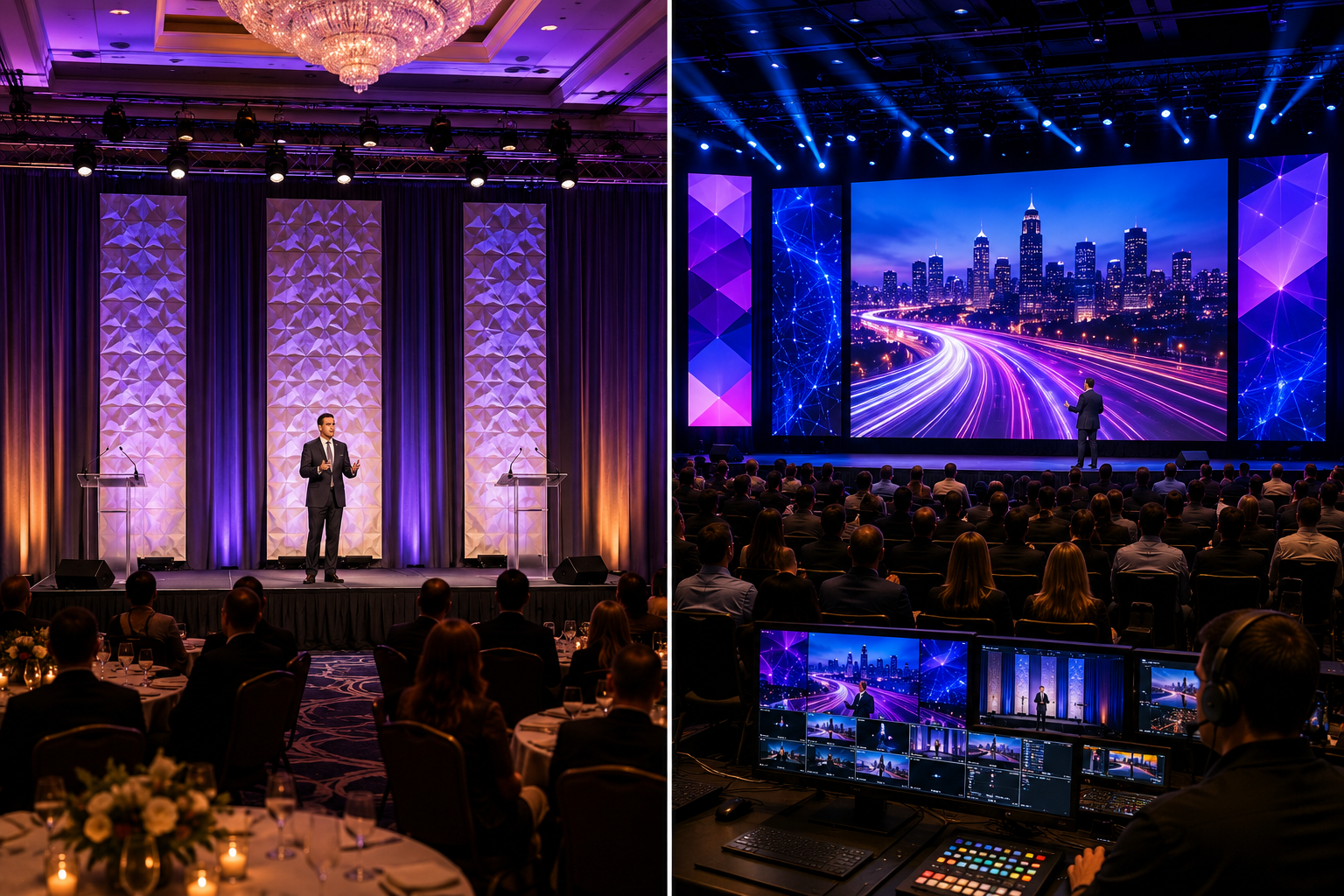
This term refers to the main control area where the audio and video technicians operate the soundboards, lighting consoles, and video mixers. It’s often located at the back of the audience or in a booth.
Why it matters: This is where the magic happens live. The FOH team balances sound levels, switches camera feeds, and programs lighting cues in real time to create a seamless experience.
3. Gobo
A gobo is a stencil or template placed inside a lighting fixture to project shapes, patterns, or logos onto a surface — like the stage floor or a backdrop.
Why it matters: Gobos add custom branding and visual interest to your event, helping to reinforce your organization’s identity or set the theme.
4. DMX
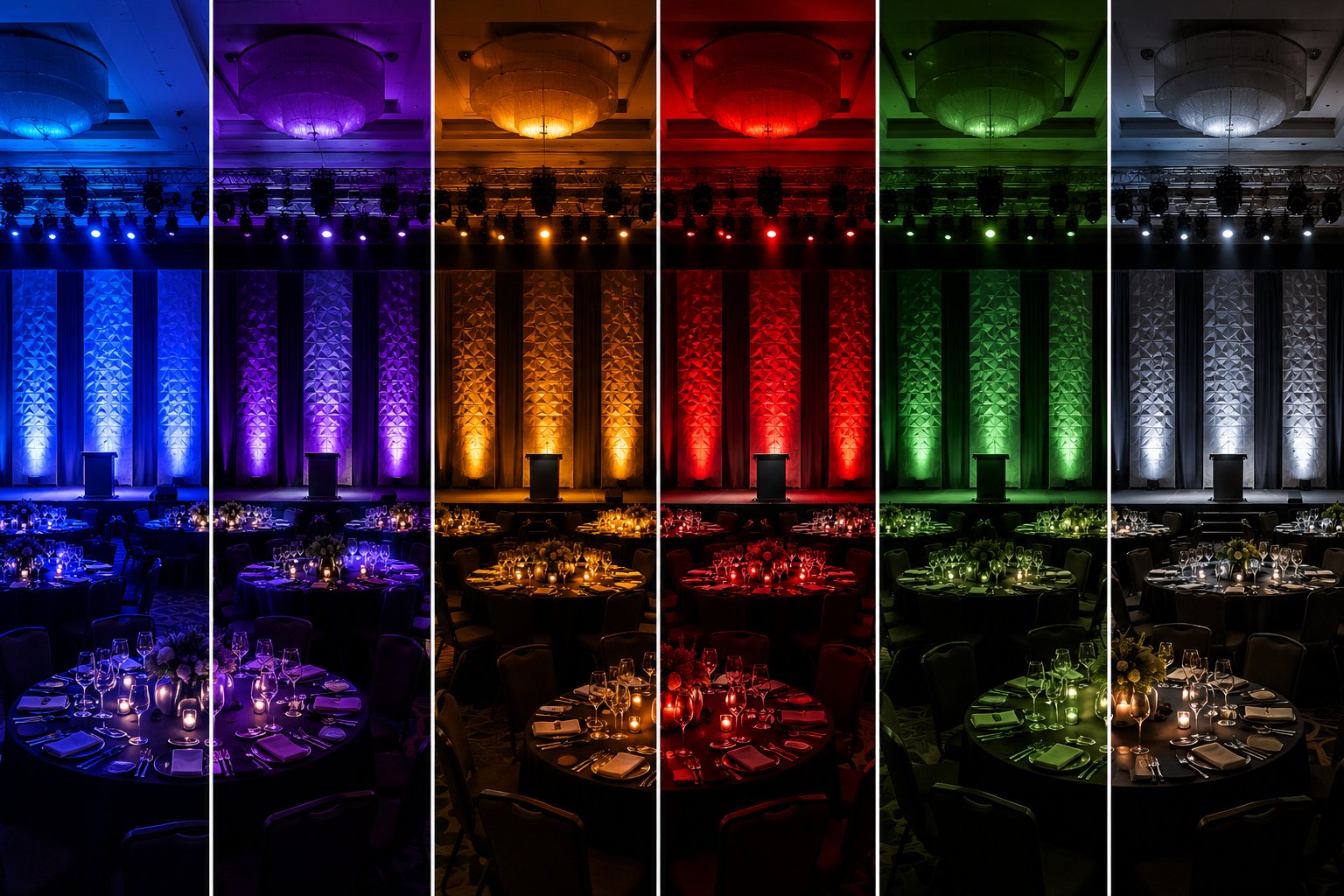
DMX (Digital Multiplex) is the communication protocol used to control lighting fixtures and effects. Think of it as the language that tells each light how to behave — when to change color, intensity, or position.
Why it matters: Without DMX, programmable lighting wouldn’t be possible. It allows your lighting designer to create dynamic, timed scenes that enhance the mood and focus attention.
5. Delay Tower
A delay tower is a supplemental speaker system placed farther back in large venues to ensure consistent audio coverage throughout the audience area.
Why it matters: In big rooms or outdoor spaces, sound from the front speakers can take time to reach the back rows. Delay towers “catch up” the audio so everyone hears clear, synchronized sound.
6. Patch Panel
A patch panel is a centralized hub where all audio and video cables are connected and routed to their respective devices.
Why it matters: It keeps cable management organized and allows technicians to quickly reroute signals during the event if needed.
7. Mic Check
This is the process of testing all microphones and audio equipment before the event starts.
Why it matters: A proper mic check catches potential issues early — like interference, volume inconsistencies, or faulty equipment — ensuring that every speaker is heard clearly.
8. Projection Mapping
Projection mapping is an advanced video technique where images or videos are projected onto irregular surfaces, like building facades or stage props, to create immersive visual effects.
Why it matters: It can transform a venue’s appearance and create memorable moments that go beyond traditional screen displays.
9. Confidence Monitor
A confidence monitor is a screen placed facing the speaker or performer so they can see what’s being presented or scripted without turning around.
Why it matters: It helps presenters stay on track and remain engaged with the audience rather than looking at the main screen behind them.
10. Latency
Latency is the delay between an action (like speaking into a microphone) and when the sound or video is heard or seen by the audience.
Why it matters: Minimizing latency is crucial for live broadcasts and interactions, so the experience feels natural and immediate.

Final Thoughts
Understanding these terms will give you an edge when collaborating with your A/V team and planning your next event. At Phoenix Technology Audio Visual, we take pride in making complex technology accessible and ensuring you feel confident throughout the process.
Our team is here to answer your questions, explain the technical details, and tailor solutions that perfectly fit your event’s unique needs. When you know the language, you’re better equipped to create unforgettable live experiences. CLICK HERE to see some examples of the experiences we bring and check out our FACEBOOK page for more awesome content!