Insights from Phoenix Technology Audio Visual – Making Your Events Run Like Clockwork
Every successful event—whether it’s a black-tie gala, corporate conference, product launch, or fundraiser—runs on one essential backbone: the Run of Show (ROS). This master document is the minute-by-minute guide that tells everyone involved exactly what’s happening, who’s doing it, and when it’s happening.
While it might be tempting to take control and “call” your own Run of Show (especially if you’re the event organizer or client), doing so is one of the fastest ways to invite unnecessary stress, mistakes, and missed moments.
At Phoenix Technology Audio Visual, we’ve seen firsthand how a well-managed Run of Show can turn a good event into a flawless one—and how a poorly managed one can derail even the most carefully planned evening.
Let’s break down why you should never call your own Run of Show, and why delegating this role to an experienced production professional is one of the smartest choices you can make.
1. You Can’t Be in Two Places at Once
If you’re hosting or organizing the event, your attention should be on the big picture: greeting VIPs, engaging with sponsors, networking with guests, and ensuring everyone is enjoying the experience.
Calling a Run of Show requires full, uninterrupted attention to timing cues, transitions, and coordination between multiple departments—lighting, sound, video, stagehands, performers, and more.
Example:
At a fundraising gala, the event organizer tried to emcee the evening while also calling the Run of Show from the side of the stage. Between mingling with donors and giving speeches, they missed a critical cue for the auctioneer’s spotlight and microphone. The result? Dead air, confused guests, and lost momentum during one of the most important fundraising moments.
When you’re tied to a headset and a script, you lose the freedom to be fully present with your guests.
2. Calling Cues Is a Full-Time Job During the Event
The Run of Show isn’t just a printed agenda—it’s a living, breathing timeline that can shift by the second. Calling it means giving precise cues like:
- “Stand by video.”
- “Fade music… and GO.”
- “Lights to preset.”
- “Camera 2, you’re live in 3…2…1.”
These cues need to be delivered with split-second accuracy. Even a five-second delay can cause awkward silences, missed applause moments, or technical glitches that distract from the experience.
A professional show caller is trained to:
- Track timing down to the second.
- Adjust on the fly when things run long or short.
- Communicate clearly under pressure.
If you’re not trained in these skills, juggling them alongside all your other responsibilities is asking for trouble.
3. Emotional Investment Can Cloud Judgment
As the organizer or client, you’ve invested months (sometimes years) into planning the event. That emotional investment can make it harder to make quick, objective decisions under pressure.
For example, if a keynote speaker runs long, a professional show caller will immediately recalculate the schedule, make necessary trims, and keep the event moving without the audience noticing.
An organizer calling their own show might hesitate to cut or adjust content—especially if it’s a VIP or sponsor—leading to schedule overruns, rushed segments, or an uncomfortable audience experience.
4. You’ll Miss the Guest Experience
One of the biggest benefits of delegating the Run of Show is that you actually get to experience your own event the way your guests do.
When you’re on a headset, you’re hearing nothing but technical chatter:
- “Mic 3 is dead, switch to backup.”
- “Camera 1, zoom tighter.”
- “Stand by for walk-in music.”
You’re constantly watching the clock, not the program. You miss the audience’s reactions, the emotional moments, and the networking opportunities that could lead to future partnerships or business.
Your role should be host, leader, and relationship builder, not stage manager.
5. It Takes a Team, Not Just One Person
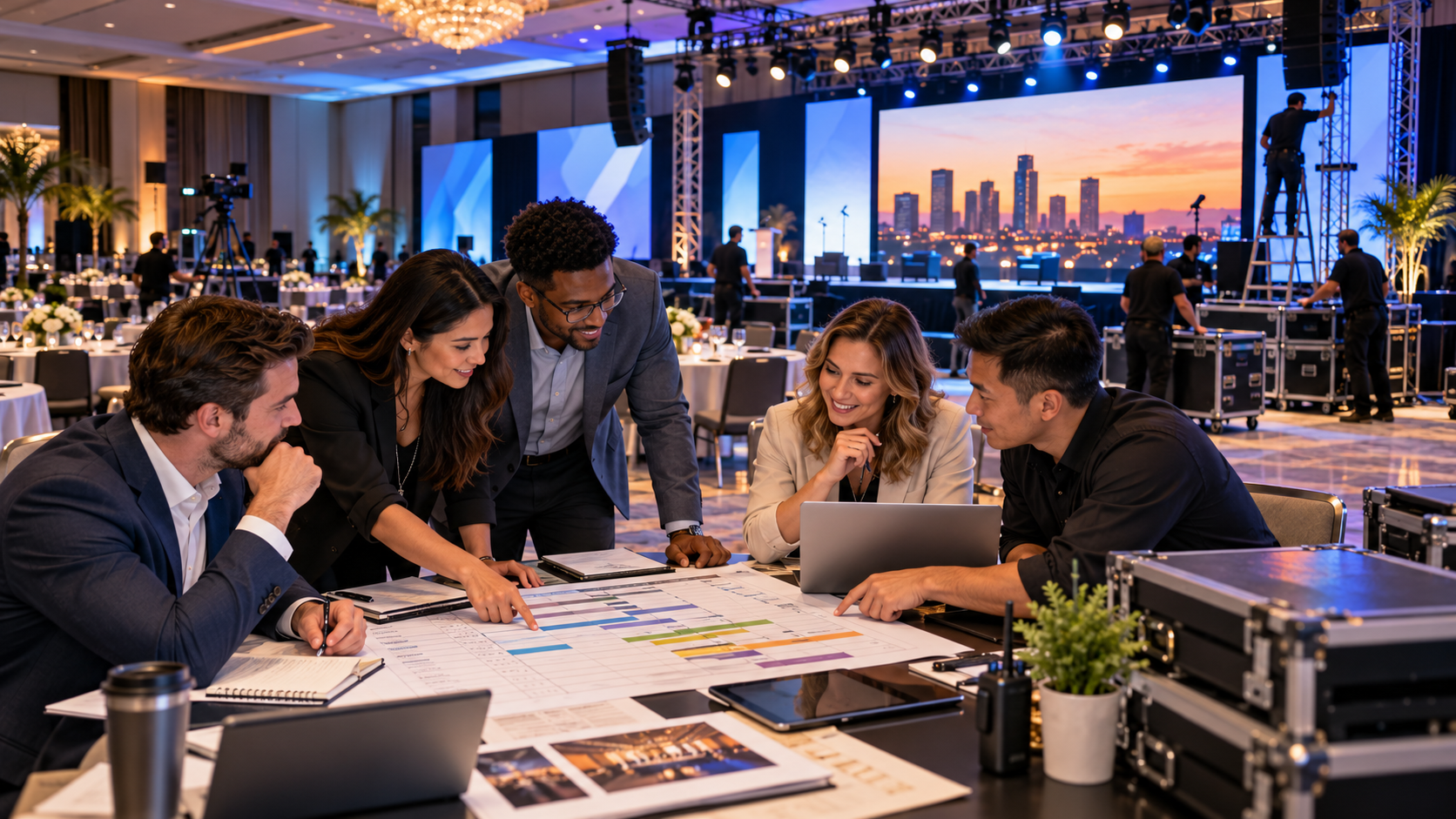
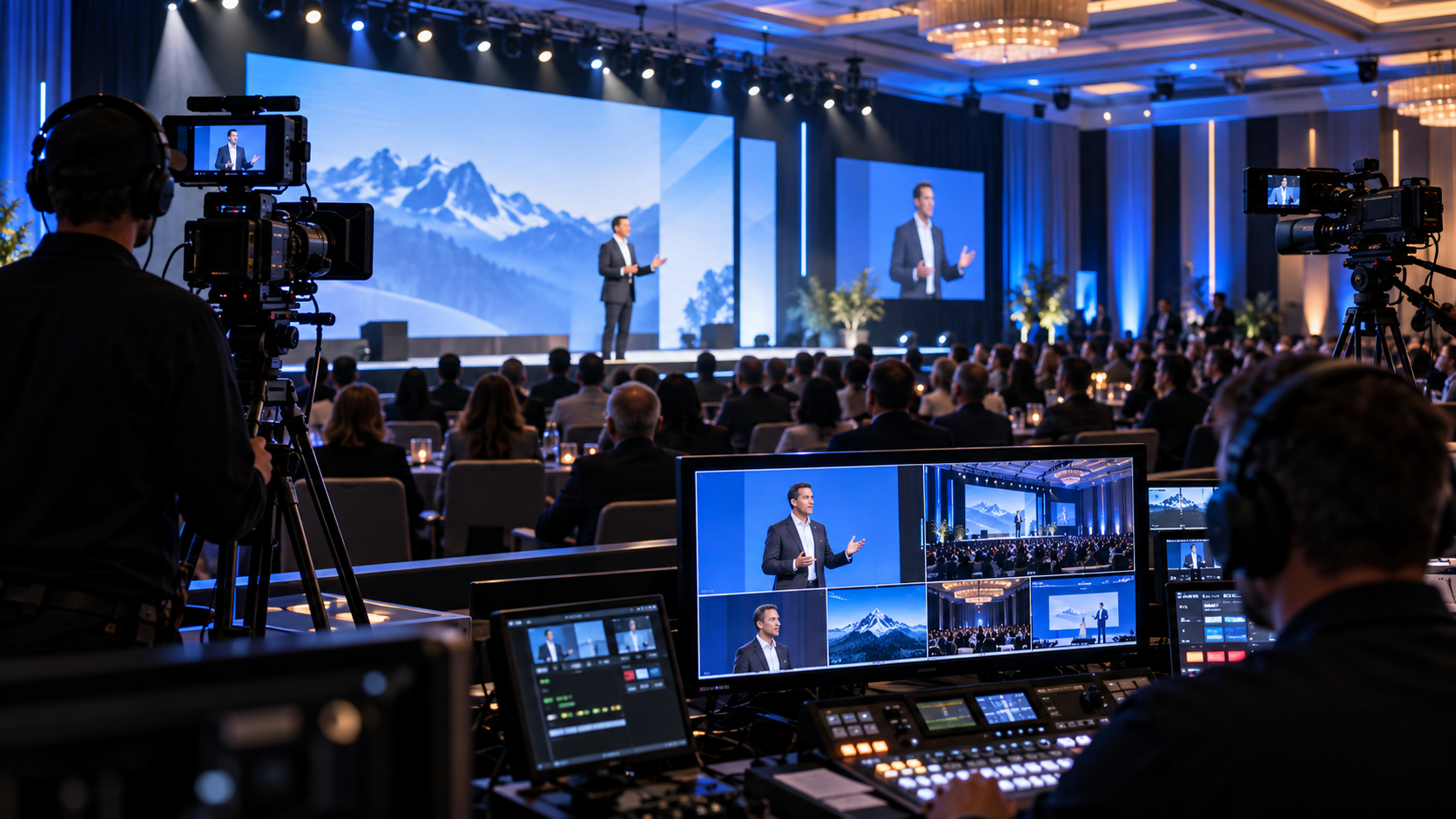
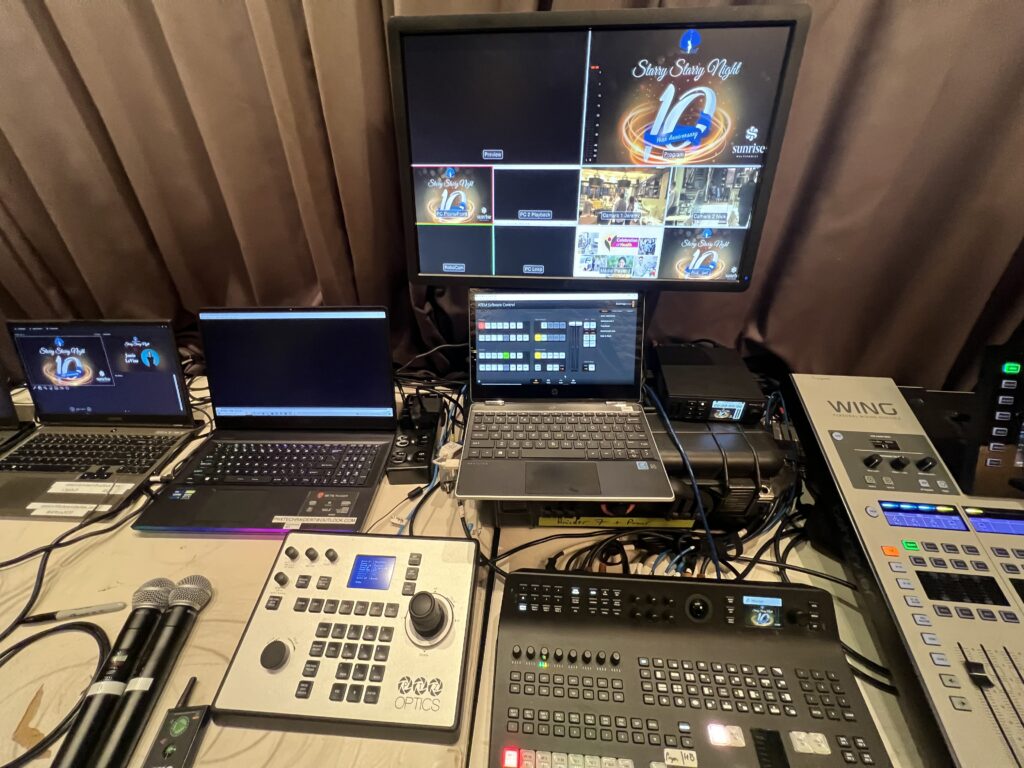
Professional show callers don’t work alone—they coordinate with an entire AV and production crew who each handle their own specialty:
- Audio engineers
- Lighting operators
- Video switchers
- Stage managers
- Camera operators
The caller acts as the conductor of the orchestra, ensuring every department is perfectly in sync. Trying to fill both the conductor’s role and the event owner’s role is a recipe to become overwhelmed and missed cues.
What a Professional Show Caller Brings to the Table
When Phoenix Technology Audio Visual supports your event, we ensure your Run of Show is managed by someone who:
- Knows how to speak “technical language” with the crew.
- Can adjust instantly when something unexpected happens.
- Keeps both on-stage talent and behind-the-scenes staff calm and confident.
- Understands the pacing that keeps audiences engaged.
We can also work alongside your event planner or in-house team to refine your Run of Show well before event day—so it’s not just accurate, but optimized for impact.
A Better Role for You at Your Own Event
Instead of being buried in cue sheets and headsets, imagine this:
- You’re out in the room, shaking hands with key guests.
- You’re fully engaged with the program, smiling and applauding at just the right moments.
- You’re available for press photos, live interviews, or sponsor meet-and-greets.
All of that is possible when you leave the Run of Show in the hands of experienced production professionals.
The Bottom Line
Calling a Run of Show is a technical, detail-driven role that demands constant focus, split-second decision-making, and clear communication with multiple teams. It’s not something you can do “on the side” while also being the face and host of the event.
By trusting a skilled show caller—backed by a professional AV team—you protect the guest experience, ensure flawless execution, and free yourself to focus on the relationships and moments that truly matter.
At Phoenix Technology Audio Visual, we make sure your event runs like clockwork so you can enjoy it, your guests can be wowed, and your competition can wonder how you pulled it off so effortlessly.