Insights from Phoenix Technology Audio Visual – Making Your Events Run Like Clockwork
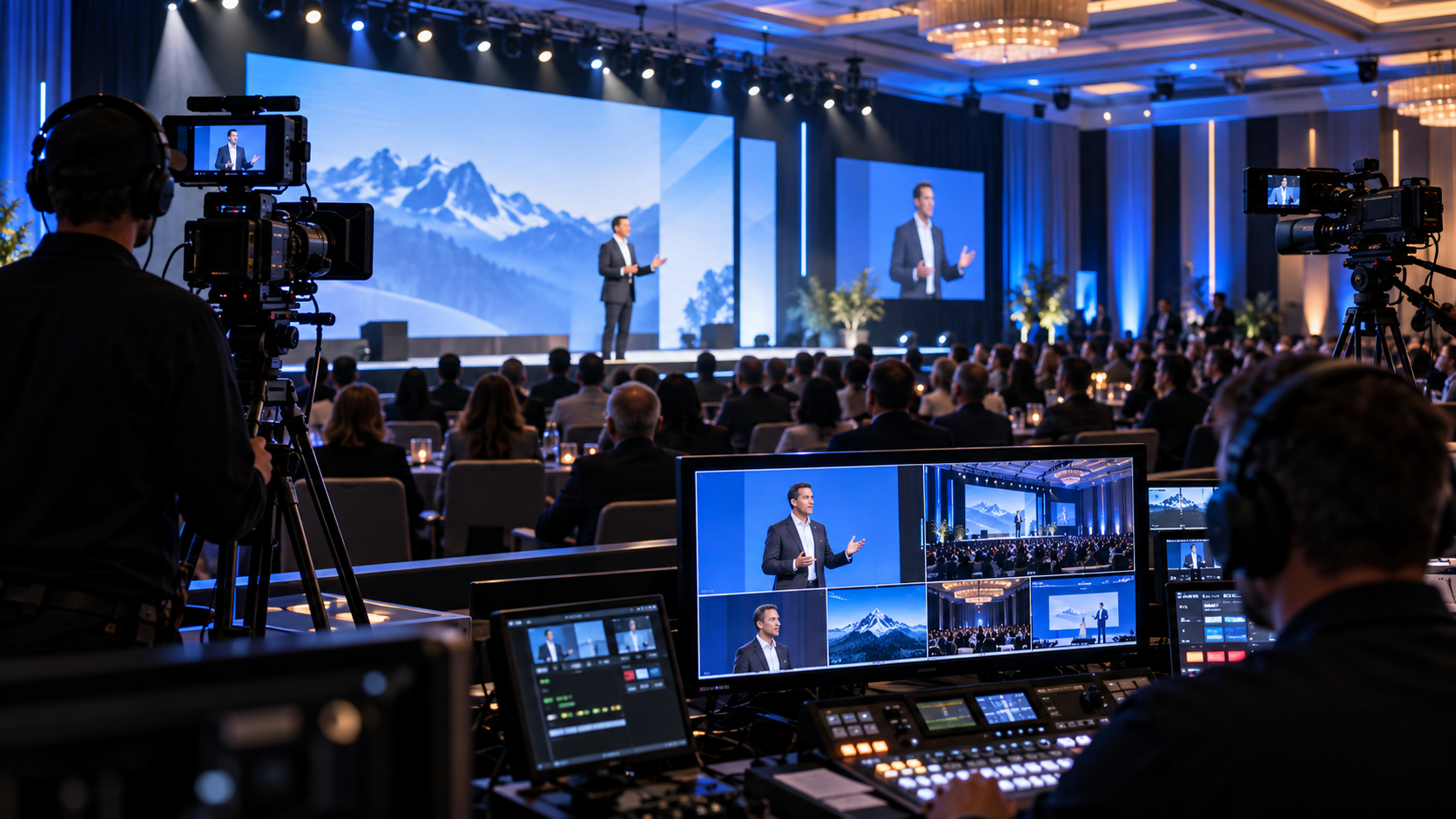
Video directing at a live event is an art form that requires a sharp eye, clear communication, and the ability to adapt in real time. When done well, video directing seamlessly supports the event’s flow, delivering powerful visual storytelling that elevates audience engagement. But even seasoned professionals can fall into bad habits that hinder the quality of the production.
At Phoenix Technology Audio Visual, we’ve led video directing teams through hundreds of live events—from high-profile galas and fundraisers to corporate conferences and livestreamed summits. We’ve seen firsthand how avoiding key pitfalls can mean the difference between a clean, high-impact production and a chaotic viewing experience.
Whether you’re working with a multi-camera crew, leading a hybrid broadcast, or integrating real-time graphics and cues, here are the top practices to avoid when directing a video team for a live event.
1. Lack of Pre-Show Planning and Rehearsals
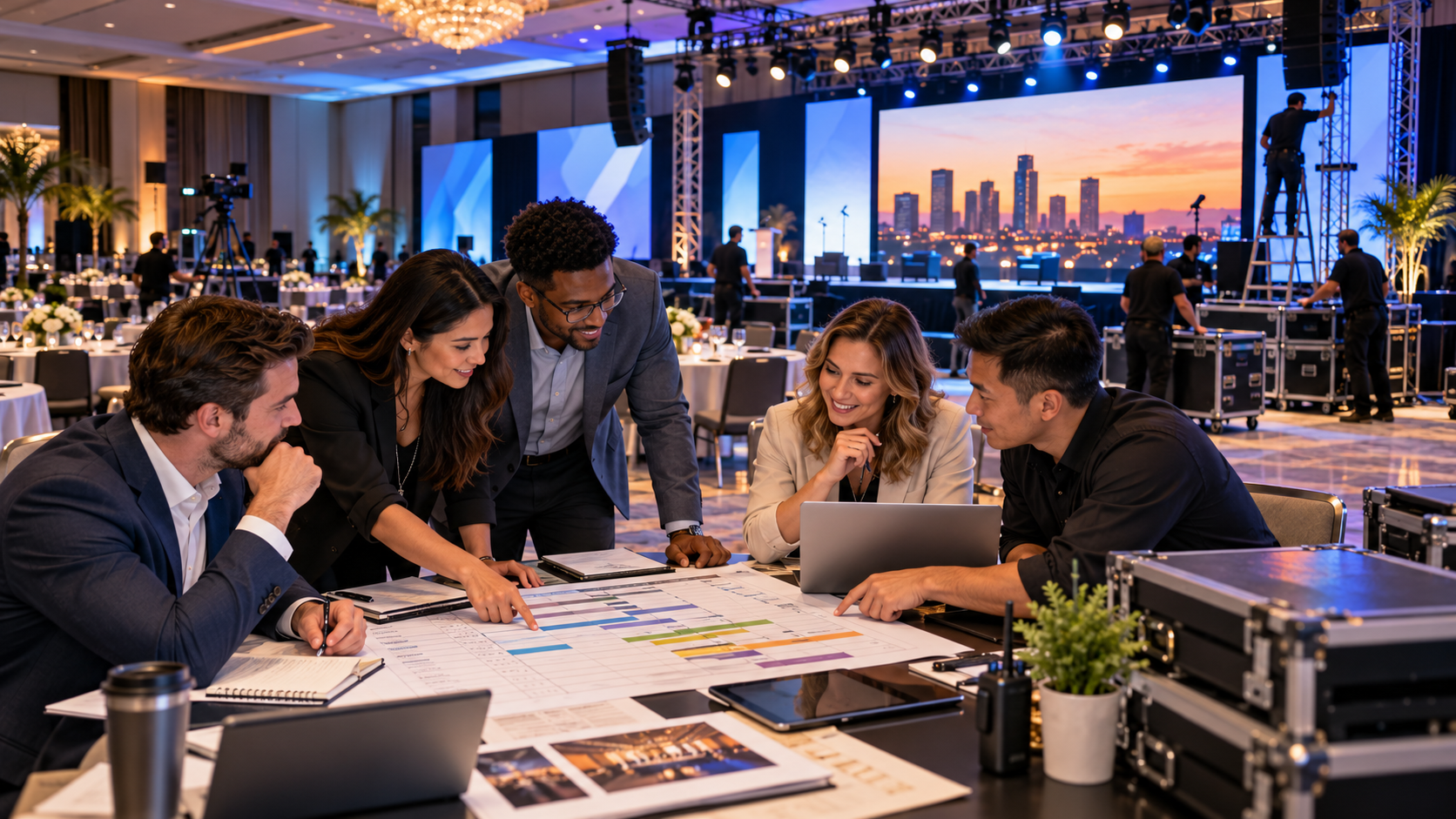
One of the most common—and most detrimental—mistakes in video direction is walking into the event without a detailed plan. Skipping pre-production meetings, site walkthroughs, or technical rehearsals sets the entire team up for avoidable errors.
Why It Hurts:
- Misaligned camera angles
- Delayed cues or transitions
- Missed key moments like speaker walk-ons or audience reactions
Best Practice: Always conduct a full pre-show run-through that includes shot lists, cue sheets, and contingency plans for equipment or timing issues.
2. Over-Complicating Camera Shots
It’s tempting to get creative with sweeping crane shots, snap zooms, or constant camera changes. But in a live event setting, over-stylized or unnecessarily complicated shots can disorient viewers and overwork the camera crew.
Why It Hurts:
- Leads to missed focus points or unstable frames
- Increases the margin for error
- Can distract from the content of the event
Best Practice: Use a mix of wide, medium, and close-up shots that are planned with purpose. Keep transitions clean and intentional, especially during critical moments.
3. Poor Communication with Camera Operators
Your camera operators are your eyes on the ground. If communication between the director and operators is unclear or inconsistent, it creates a domino effect of missed shots, delayed transitions, and wasted time.
Why It Hurts:
- Missed timing on speaker pans or audience cutaways
- Multiple cameras accidentally capturing the same angle
- Increased stress and decreased crew morale
Best Practice: Use clear, concise headset communication with labeled cues (e.g., “Camera 1 ready… Camera 1 is live”) and provide pre-show direction to ensure everyone knows their responsibilities.
4. Ignoring the Live Audience Experience
While video directing is focused on the screen, it’s essential to remember that the in-person experience must remain seamless. Setting up bulky camera gear in sightlines, using noisy equipment, or having the team block stage access can disrupt the live experience.
Why It Hurts:
- Distracts in-person attendees
- Causes frustration with event producers or speakers
- Creates a disconnect between the stage and the screen
Best Practice: Plan camera placements strategically, prioritize quiet operation, and work with the production team to blend seamlessly into the environment.
5. Underestimating Graphics and Media Integration
A polished video presentation is more than camera work—it also includes timely integration of graphics, lower thirds, title cards, and video playback. If the director doesn’t plan for how these will be triggered and displayed, the final result can look disjointed.
Why It Hurts:
- Leads to clunky transitions or black screens
- Overlaps or misaligns text on-screen
- Undermines the professionalism of the presentation
Best Practice: Coordinate closely with media operators and playback technicians. Include graphic cues in your director’s script and always run a graphics tech rehearsal.
6. Forgetting to Record Backups
Directing a live event without building in redundancy is risky. Whether you’re recording for post-production or streaming to an external platform, relying on a single output or encoder without a backup can result in data loss.
Why It Hurts:
- No post-event video assets for marketing
- Potential loss of crucial speaker content or testimonials
- Zero documentation of the event’s success
Best Practice: Always have a secondary recording option or redundant encoder. Hardwire backup lines whenever possible and ensure files are saved in multiple formats.
7. Neglecting Audio-Video Sync
In video directing, visuals are only half the equation. If your camera shots are crisp but the audio is delayed or out of sync, the whole production suffers. This is especially important for livestreamed or hybrid events.
Why It Hurts:
- Creates a jarring viewing experience
- Reduces clarity and impact of speeches or panel discussions
- Diminishes professional credibility
Best Practice: Routinely check your sync settings during setup and periodically throughout the event. Collaborate with the audio engineer to maintain seamless integration.
8. Failing to Stay Calm Under Pressure
Live events are unpredictable. Cables get pulled. Speakers go off-script. Camera ops miss cues. If the video director loses composure or panics, it spreads stress across the team and can cause further mistakes.
Why It Hurts:
- Reduces team cohesion and communication
- Leads to poor decision-making and reaction time
- Makes issues worse instead of resolving them
Best Practice: Stay focused and calm, even during technical issues. Reassure your crew and follow the plan unless a pivot is absolutely necessary.
Final Thoughts
Video directing is about more than calling camera cues—it’s about telling a story, staying adaptable, and leading a team to execute with precision. By avoiding these common pitfalls and staying focused on clear communication, intentional direction, and smart planning, you can lead your crew to deliver an exceptional visual experience.
At Phoenix Technology Audio Visual, we lead with excellence, precision, and a deep understanding of live event video production. Whether it’s a high-energy sales summit, a nonprofit gala, or a fundraising event, our video directing teams bring clarity, control, and creativity to every screen.
Let’s make your next event one to remember—without missing a frame!