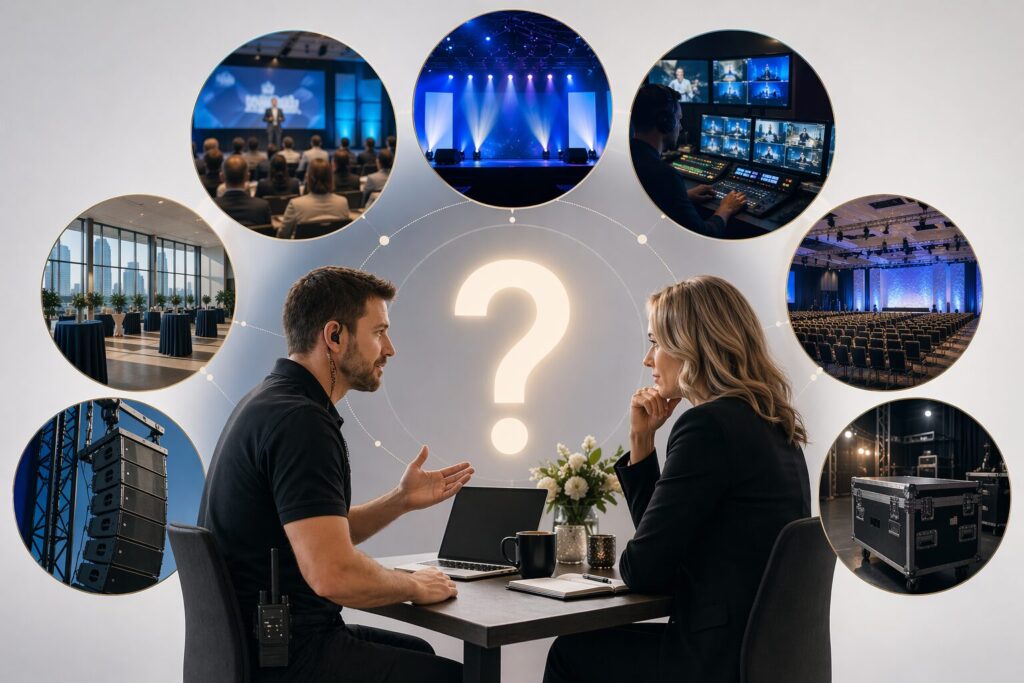
When organizing a live event—whether it’s a nonprofit fundraiser, corporate gala, or sales summit—your event planner is the linchpin of the entire production. They coordinate vendors, manage timelines, and keep everyone on track so you can focus on your guests and goals. But to ensure your event runs smoothly from start to finish, it’s important to ask your event planner the right questions early and often.
At Phoenix Technology Audio Visual, we work closely with event planners and organizational managers every day. Over time, we’ve learned that when clients engage deeply with their planners, the entire event production—including A/V—flows more seamlessly. To help you get the most from your partnership, here are the top questions you should be asking your event planner, along with why they matter for your event’s success.
1. What is the overall vision and goal for the event?
Understanding the “why” behind your event is essential. Whether it’s raising funds, launching a product, or celebrating milestones, your planner needs to know your vision clearly.
Why it matters:
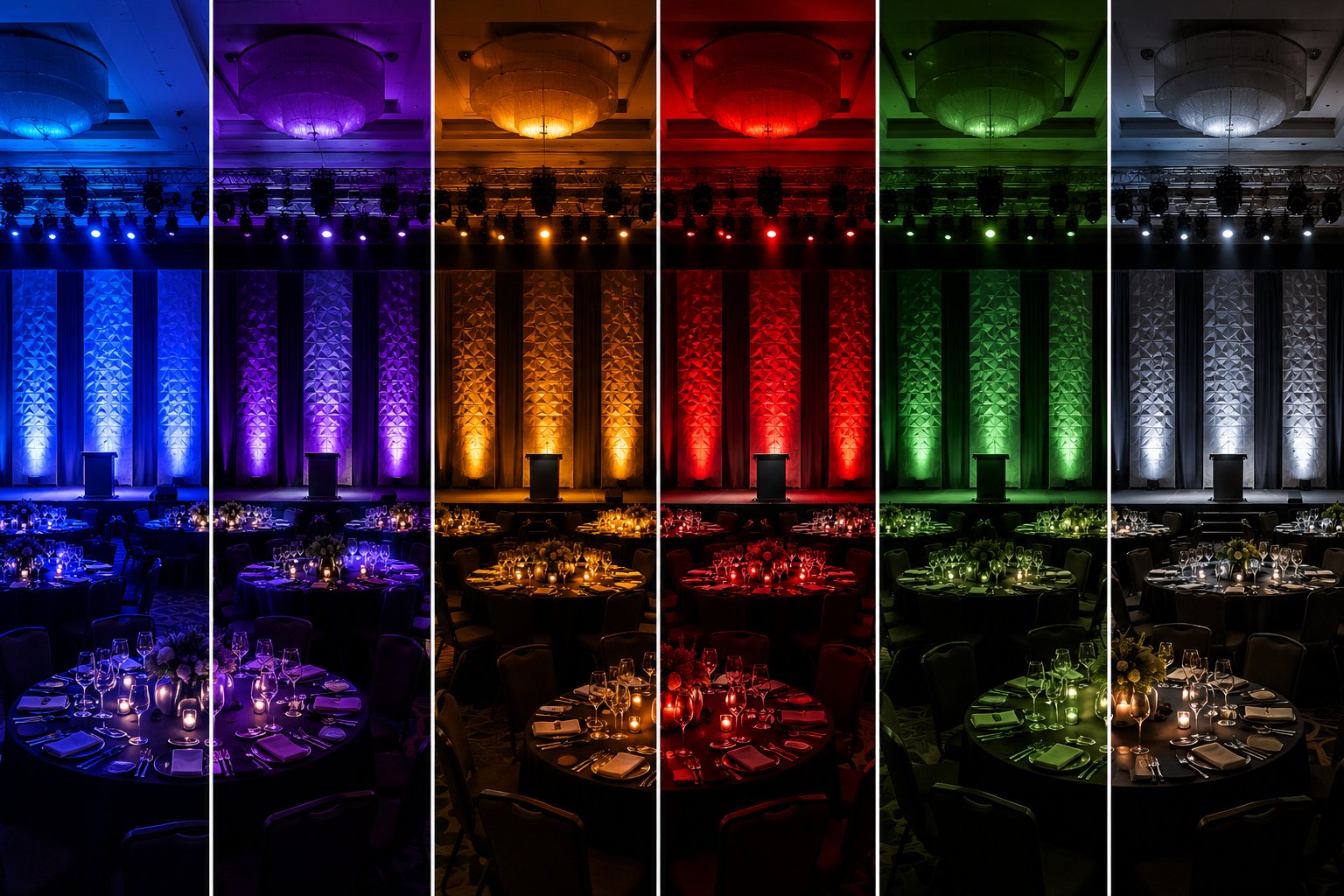
This clarity guides everything—from decor to program flow to technical needs. For example, a fundraising gala aiming to inspire generosity will likely want emotionally evocative lighting and carefully timed video presentations. Sharing this insight early helps your A/V team design lighting and audio cues that enhance the moment.
2. Who is the Manager or point person on the client side of event?
Knowing who holds decision-making authority helps avoid confusion. This person will be the main liaison between the planner, vendors, and your organization.
Why it matters:
Quick approvals and clear communication reduce last-minute surprises. It also means your A/V team knows who to consult for changes, such as adjusting microphone setups or timing in the run of show.
3. What is the event timeline, including setup and teardown?
A detailed schedule covering load-in, rehearsals, event start/end times, and teardown is crucial for everyone.
Why it matters:
The A/V crew depends on precise timing to set up equipment, conduct sound checks, and prepare for live transitions. If the timeline isn’t realistic, it can lead to rushed setups or technical issues.
4. What is the venue, and what are its specific requirements or limitations?
Every venue has unique logistics: power availability, rigging points, ceiling height, noise restrictions, and more.
Why it matters:
Your event planner should provide this information upfront. This allows your A/V team to tailor equipment choices and setup plans accordingly, avoiding surprises that could impact sound quality or lighting design.
5. What vendors are involved, and how will coordination be handled?
From caterers to entertainment, production teams to decorators, many vendors collaborate on a big event.
Why it matters:
Effective vendor coordination means synchronized setup times and fewer conflicts. Your A/V team often works closely with entertainers or speakers, so knowing who’s involved helps with staging, sound checks, and rehearsals.
6. How will you handle last-minute changes or unexpected issues?
Even the best-planned events encounter surprises. Having a clear protocol for addressing changes is essential.
Why it matters:
Your planner’s approach to problem-solving affects the whole production. A plan that includes rapid communication and contingency options ensures your A/V team can adapt quickly without disrupting the flow.
7. What are the key moments or highlights we should prepare for?
Are there speeches, awards, performances, or special presentations that need particular attention?
Why it matters:
Knowing these moments allows your A/V team to prepare specific lighting cues, sound levels, or video elements to amplify impact. For instance, a surprise video tribute requires a prepared playback system and quick cues.
8. What is the guest experience you want to create?
Is the event formal and elegant, casual and fun, or high-energy and interactive?
Why it matters:
This influences everything from decor and music choices to lighting temperature and intensity. Clear guidance from your planner helps the A/V team craft an immersive environment that matches your brand and audience expectations.
9. How will communication flow among the team on event day?
It’s important to clarify how staff and vendors will stay in touch during the event—radios, mobile apps, or in-person briefings.
Why it matters:
Smooth communication prevents delays and helps the A/V team know when to execute cues or solve issues quietly. Knowing who is in charge of each area streamlines the entire production.
10. What is the budget range, and where are the priorities?
Understanding your budget helps planners and vendors recommend the best solutions without surprises.
Why it matters:
If audio clarity is paramount, for example, your A/V team can allocate resources to top-tier sound systems instead of less critical elements. Priorities ensure your investment delivers maximum impact.
Final Thoughts
Your event planner is your partner in bringing your vision to life. Asking these questions ensures alignment among everyone involved — from the organization’s manager to the event planner to your A/V production team. When all parties share a clear understanding, your event is poised for success.
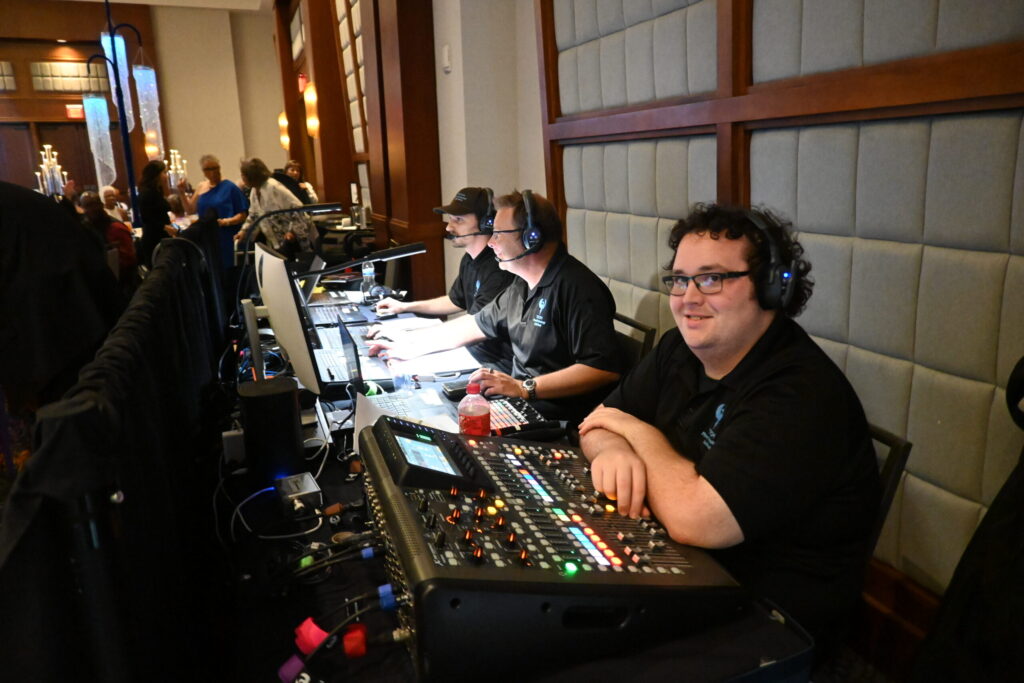
At Phoenix Technology Audio Visual, we work hand-in-hand with planners and clients to deliver flawless audio, lighting, video, and stage design. We’re always ready to answer questions, suggest solutions, and make your event not just good, but truly remarkable. CLICK HERE to see some great examples of our past events, and follow us on FACEBOOOK for more amazing content and articles, just like this one!